Your basket is currently empty!
How Many Side Tables in a Living Room?
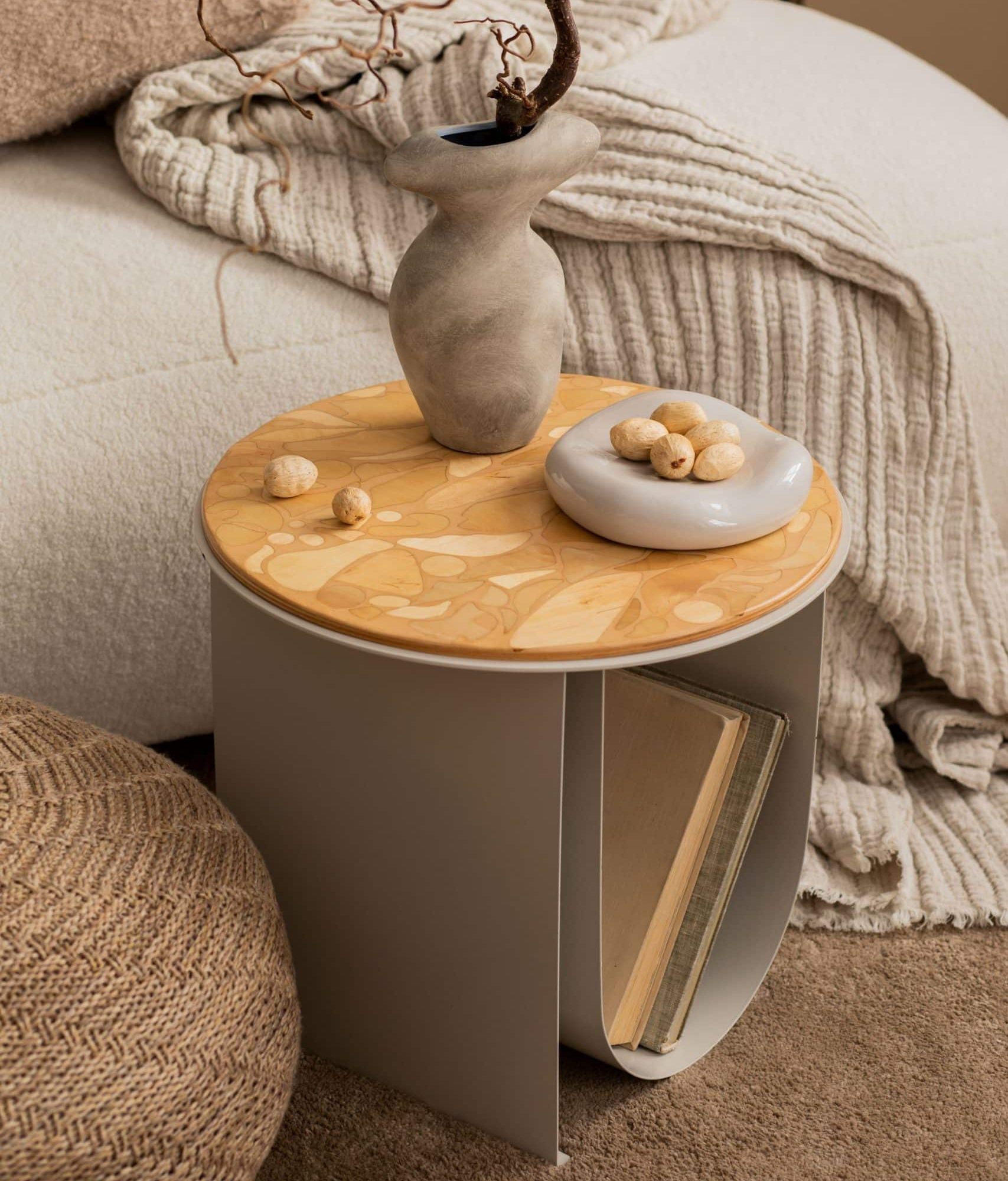
If you have ever stood in your living room and wondered how many side tables in a living room is the right amount, you are not alone. Side tables seem simple, but they play a surprisingly big role in how comfortable and functional a space feels. Too few, and people have nowhere to set a drink or phone. Too many, and the room starts to feel cramped and cluttered.
The challenge is that there is no single number that works for every home. The right answer depends on how many people actually use the room, how your seating is arranged, and how much walking space you need to preserve. In this guide, you will learn a practical way to decide how many side tables your living room really needs, along with layout specific examples, sizing rules, and smart alternatives.
By the end, you will know exactly how many side tables in a living room makes sense for your space, not just what looks good in photos.
For most living rooms, the answer to how many side tables in a living room is one or two. This works well because most spaces have one main sofa, sometimes paired with one or two chairs. That creates one or two natural spots where a small surface is useful.
Here is how that usually plays out:
A useful insight is that this guideline is not about symmetry. It is about convenience. Every seat that gets used should have a comfortable place to set something down without interrupting the flow of the room.

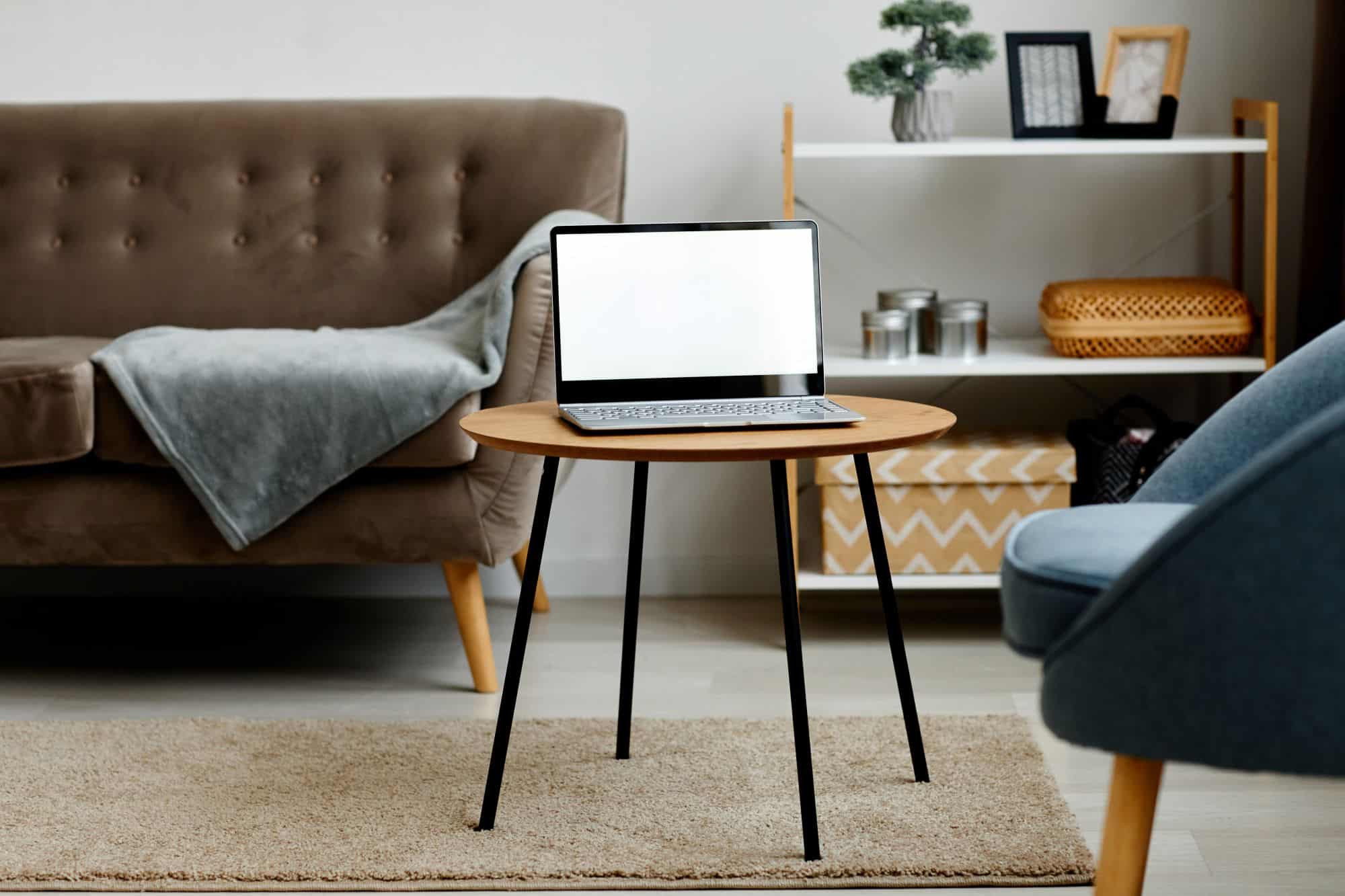
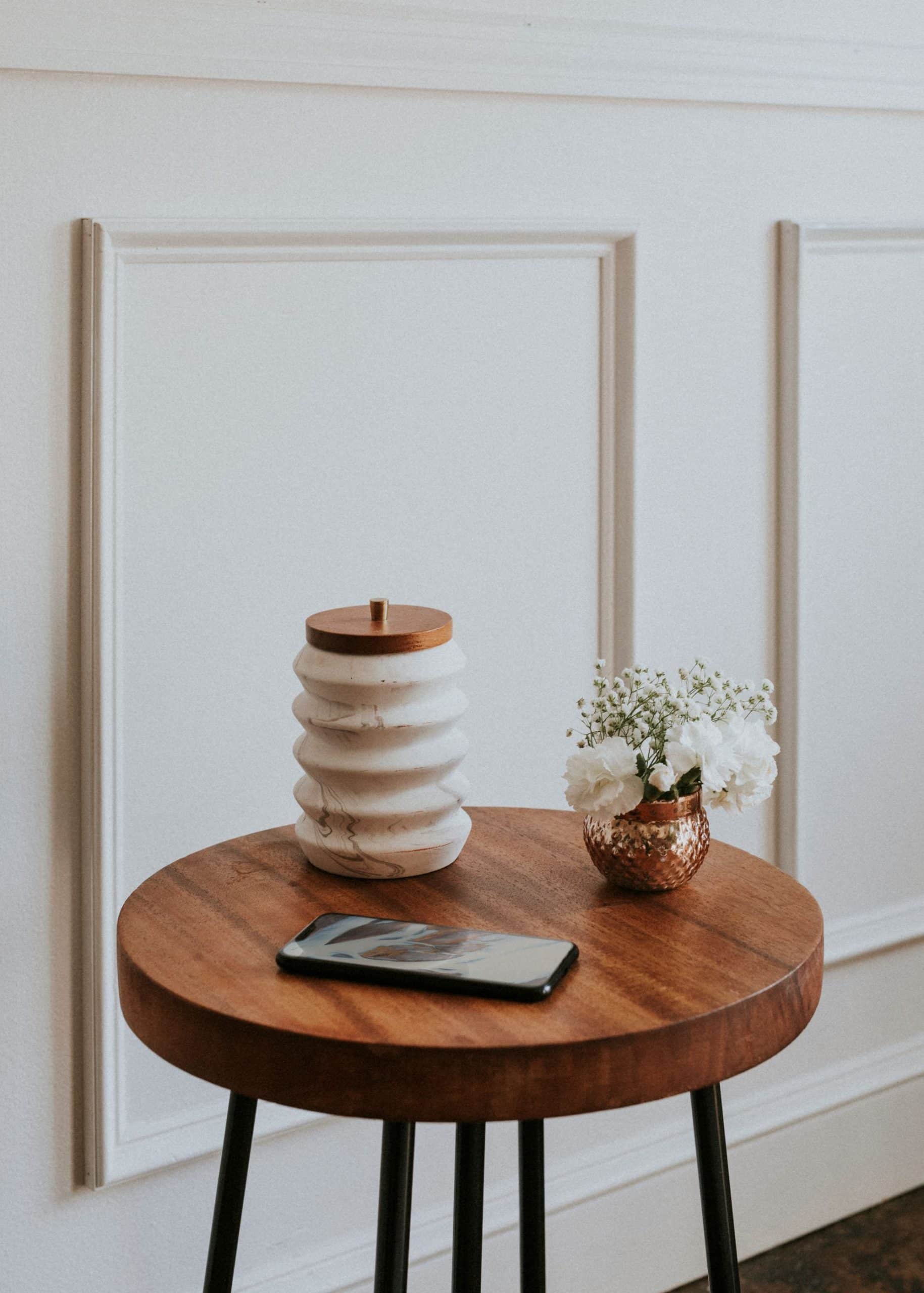
The most reliable way to answer how many side tables in a living room is to think about function instead of furniture counts.
A helpful rule of thumb is to aim for one reachable surface for each primary seat. That surface does not always need to be a full size side table.
A reachable surface is anything you can comfortably use while seated, such as:
Sit in each seat that gets used regularly. Imagine you have a drink, your phone, and one personal item like a book or remote. If you do not have a natural place to put them, that seat likely needs access to a side table or alternative surface.
This approach usually prevents overbuying and helps the room feel intentional instead of crowded.
Even the right number of side tables can feel wrong if they are poorly sized. Two basic rules help prevent clutter.
Side tables are easiest to use when the tabletop is roughly the same height as the sofa arm. A small variation is fine, but tables that are much lower or much higher tend to feel awkward and visually unbalanced.
If your sofa arm is around 22 inches high, a table in the low to mid 20 inch range usually feels comfortable.
Side tables should never block natural walkways. If space is tight, choose a narrow table, a round table, or a piece with open legs to keep the room visually light.
If you need flexibility for guests, nesting tables are a smart choice because they can expand and contract as needed.
Placement is where the question how many side tables in a living room becomes easier to visualize.
This is the classic setup where two side tables often work well. Each end of the sofa gets a surface, which makes it easy to add lighting and keeps things balanced.
If one end of the sofa is against a wall, a single side table is often enough.
Sectionals often look like they need many tables, but that can overwhelm the space. In most cases, one side table at the outer arm plus a small drink table or C table near the chaise works better than multiple large tables.
When a sofa faces two chairs, a small table between the chairs combined with one table by the sofa usually provides enough surface area without cluttering the room.
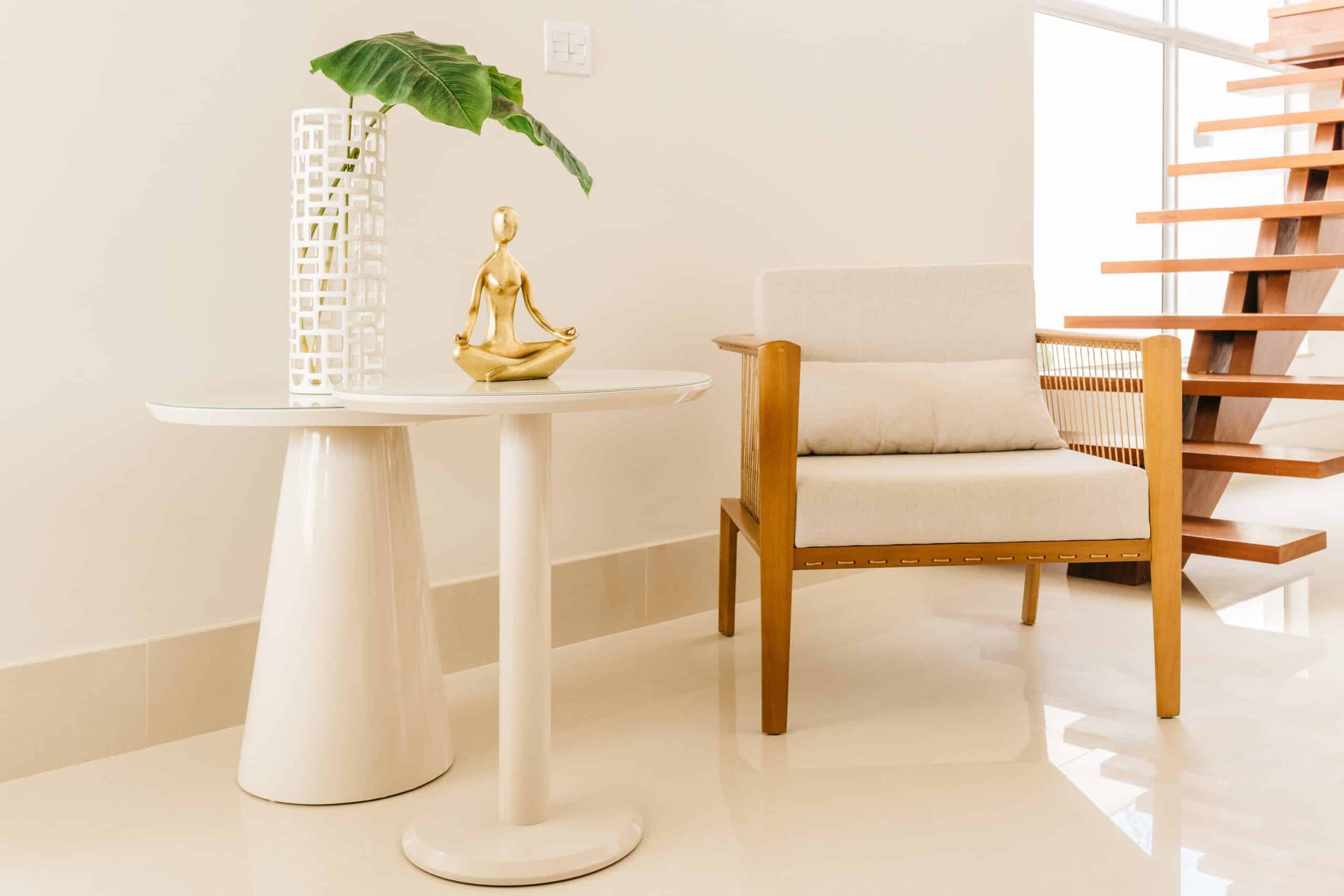
Once you decide how many side tables in a living room you need, styling them well keeps the space calm and usable.
A practical styling formula includes:
Avoid filling the entire surface. Side tables work best when they have breathing room.
Symmetry works well in formal or traditional rooms. Asymmetry often feels more relaxed and flexible, especially in smaller spaces.
Two different tables can still feel cohesive if they share a similar height or material.
In very small rooms, the best answer to how many side tables in a living room may be zero traditional side tables. Slim drink tables, nesting tables, or C tables can provide function without taking up precious floor space.
Stability matters. One solid, rounded table is often safer than multiple lightweight pieces that tip easily.
In open layouts, a sofa table behind the sofa can replace multiple side tables while helping define the living area. It also provides space for lamps, baskets, and charging stations.
If side tables keep feeling wrong, it may be time to consider alternatives.
A sofa table works well when the sofa floats in the room. It can handle lighting and everyday items, reducing the need for tables beside the sofa.
If clutter is the real problem, choose storage focused pieces like ottomans with trays or cabinet style end tables.
Often the best solution is a mix: one traditional side table paired with one flexible alternative.
When you ask how many side tables in a living room, you are really asking how to make the space easier to live in. The most common answer is one or two, but the best answer depends on how your room is actually used.
Start with function. Make sure the seats people use every day have a comfortable place to set things down. Then check proportions, keeping table height close to the sofa arm and leaving enough clearance for easy movement. If traditional side tables feel bulky, explore alternatives that offer flexibility without visual weight.
Once you get the number right, keep styling simple and purposeful. A well placed side table should quietly support daily life, not demand attention. When chosen thoughtfully, even a small adjustment can make your living room feel calmer, more welcoming, and easier to enjoy.
Most sectionals work best with one main side table and one small drink table or C table rather than several large tables.
One or two end tables is typical. Use one if space is tight and two if both sofa ends are open and used regularly.
Matching is optional. Similar height matters more than identical style.
The tabletop should be close to the height of the sofa arm for comfort and proportion.
Use slim alternatives like nesting tables, C tables, ottoman trays, or a sofa table behind the sofa.
