Your basket is currently empty!
What is Brutalism?
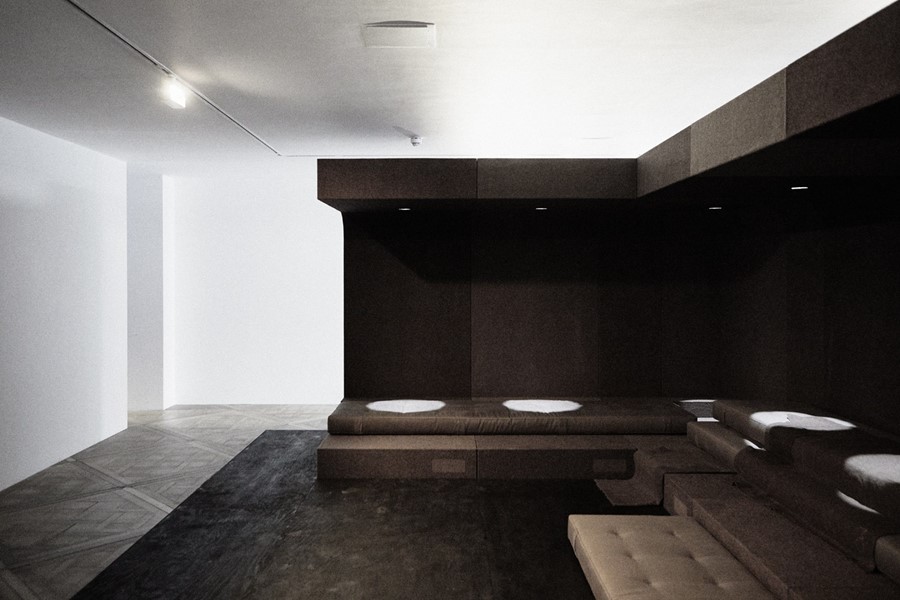
Brutalism, the monolithic movement, is a style that is known solid structural image and the use of raw materials like concrete. Championed by soviet architecture, gothic runaway shows and ambient interiors, it is omnipresent across urban landscapes and interiors. This style transcends aesthetics; it conveys honesty, strength, and functionality.
Brutalism was birthed in the post-WW2 era, around 1950s, succeeding traditional architecture and modernism styles, The term “Brutalism” comes from the French phrase béton brut, or “raw concrete,” encapuslating the material approach style. Early brutalist architects like Le Corbusier and Peter and Alison Smithson envisioned structures that portrayed a sense of stability and resilience.
The style quickly gained popularity in the 1950s and ’60s, with iconic examples like the Barbican Centre in London and Boston City Hall showcasing Brutalism’s capacity to redefine civic spaces.
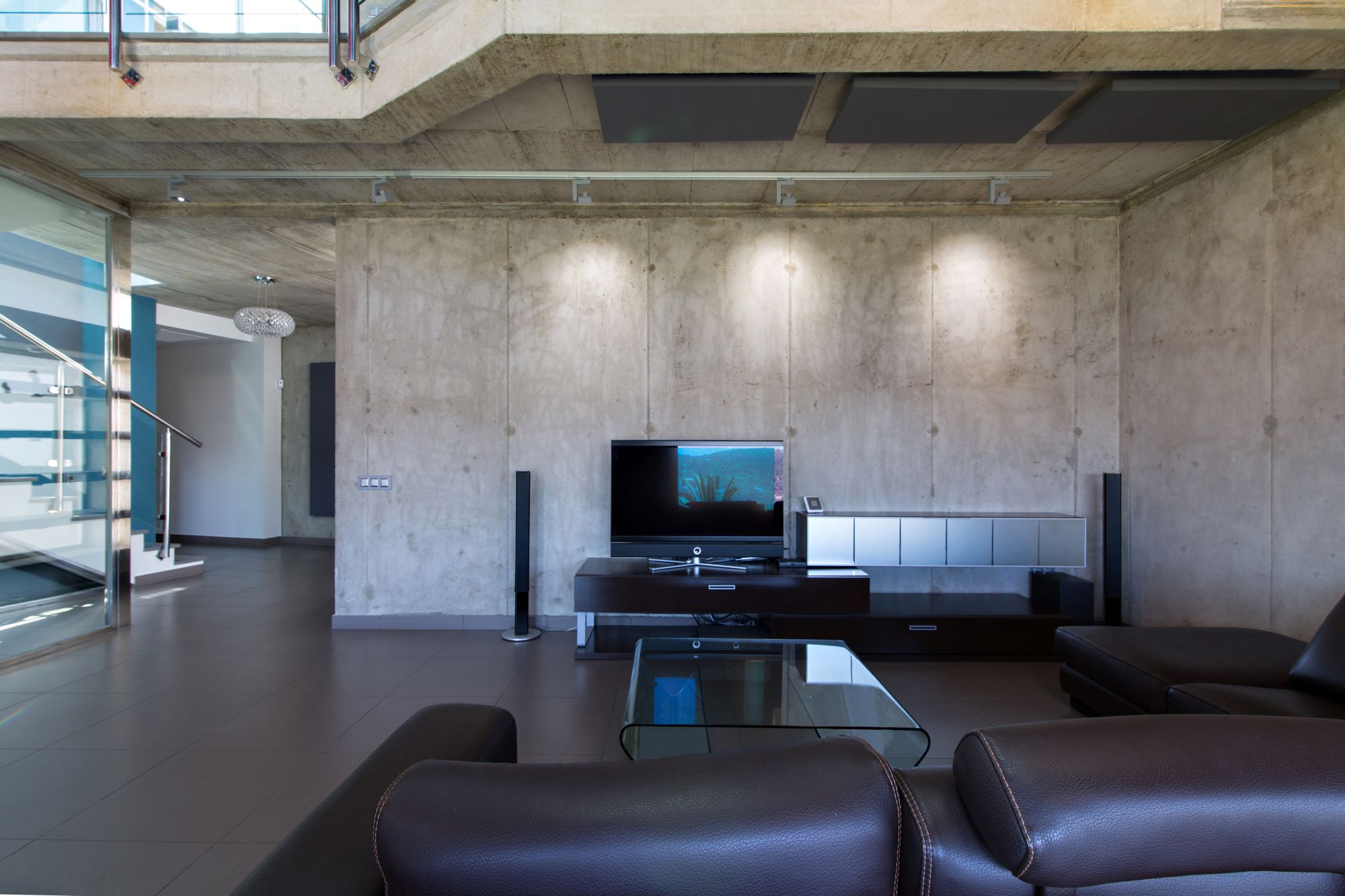
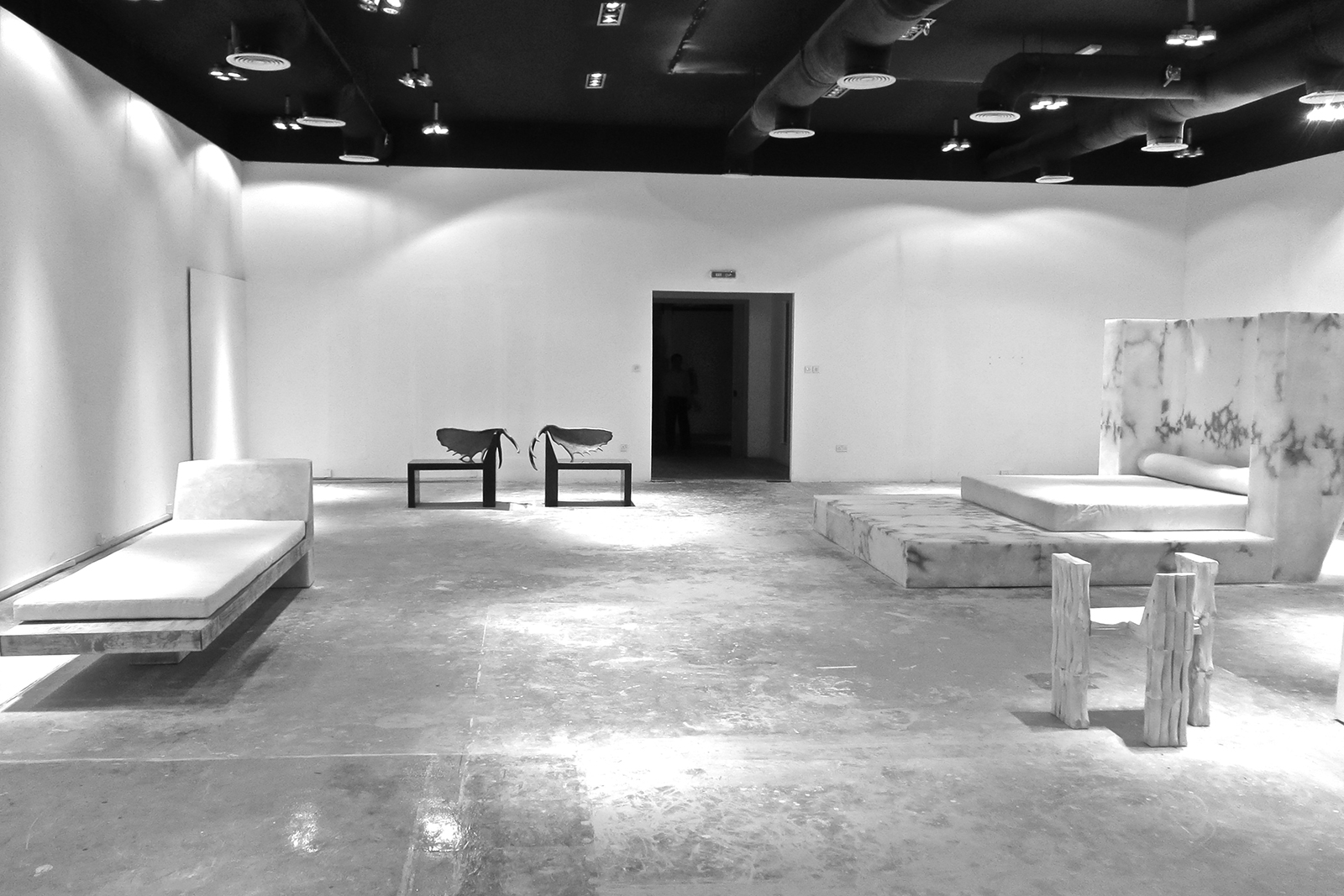
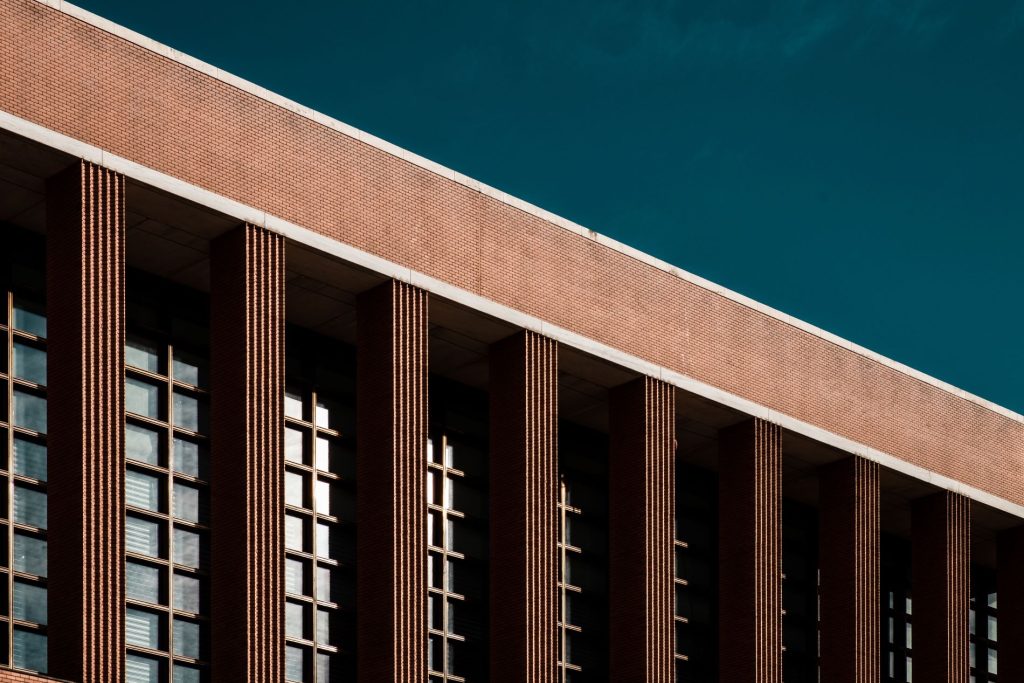
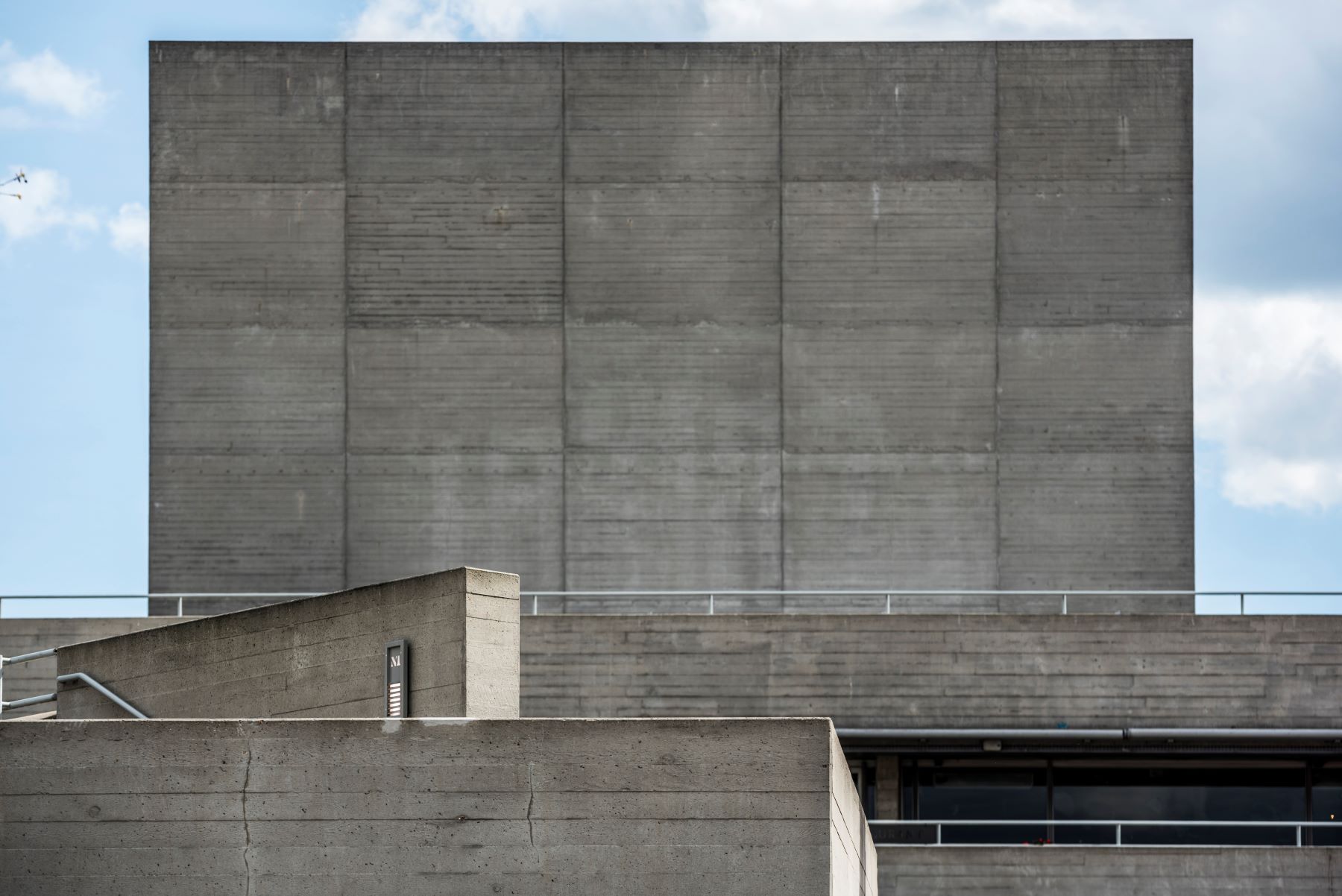
Brutalist architecture has a stark, fortress-like appearance, with exposed raw materials such as concrete, steel, and glass as prominent materials. The use of raw concrete is not just a stylistic choice; it allows the building’s structure to be both its form and function.
With bold, geometric shapes and repetitive patterns, Brutalism’s buildings convey an impression of both minimalism and monumentality.
Inside these architectural giants, Brutalism continues its uncompromising approach. Spaces are designed to feel imposing and utilitarian, with every element serving a practical purpose.
Rather than concealing its materials, Brutalism embraces them, allowing structural beams, unfinished concrete walls, and rough textures to take center stage. This focus on utility over ornamentation is a core tenet, but Brutalism’s emphasis on form and proportion brings a distinctive, almost sculptural beauty to its structures.
Interestingly, the ideas of Brutalism have influenced interior design. Brutalist interiors are presented as raw, with textured materials that bring depth and power to a living space. Elements like exposed concrete walls, metal fixtures, and weathered wood achieve this look.
In homes inspired by Brutalism, you’ll find simple furniture. Tables with raw concrete surfaces, steel-framed chairs, and lighting fixtures with industrial finishes. Brutalism also resonates with industrial modern themes. Stainless steel table lamps are a perfect examble of this. These interiors balance simplicity and strength, creating environments that feel both grounded and refined.
Brutalism had a profound cultural impact. Its vision and values have influenced fashion, graphic design, interior design, architecture and even digital art. In fashion, Brutalist elements appear in minimalistic designs, muted color palettes, and structured silhouettes that echo the architectural style’s uncompromising ethos.
This cultural resurgence speaks to a broader movement toward authenticity and simplicity. In a world dominated by digital imagery and curated perfection, Brutalism offers a grounding force, a reminder of strength and structure that doesn’t hide behind veneers. Brutalism encourages us to confront material reality head-on, to embrace the beauty in the unpolished and the imperfect.
Brutalism seems paradoxical in a design landscape where light ornaments and airy aeasthetics are so popular. However, the return of heavy materials and raw spaces reflects a desire for groundedness. Designers and architects are reinvigorating Brutalist elements with modern twists. Combining raw textures with warm lighting or adding lush, green accents to balance the austerity of concrete and steel.
In cities around the world, Brutalist buildings are finding new purposes, housing everything from art galleries to boutique hotels. This adaptive reuse honors Brutalism’s foundational principles while making it accessible to new audiences. As Brutalism evolves, it continues to ask us to consider the relationship between people, materials, and the spaces we inhabit.
Brutalism’s appeal lies in its honesty and timelessness. It’s a style that doesn’t mask its identity but instead embraces its raw form and function. For those drawn to Brutalism, its structures and interiors offer a powerful response to the sleek, transient trends of contemporary design. Brutalism isn’t just about aesthetics—it’s about creating environments that make a statement, reflecting strength, authenticity, and an unyielding sense of purpose.
As Brutalism’s presence in culture and design continues to grow, its influence remains a testament to the enduring allure of raw, unrefined beauty in a polished world. From architecture to interiors, Brutalism stands as a reminder that there is elegance in embracing the bold and the bare.
