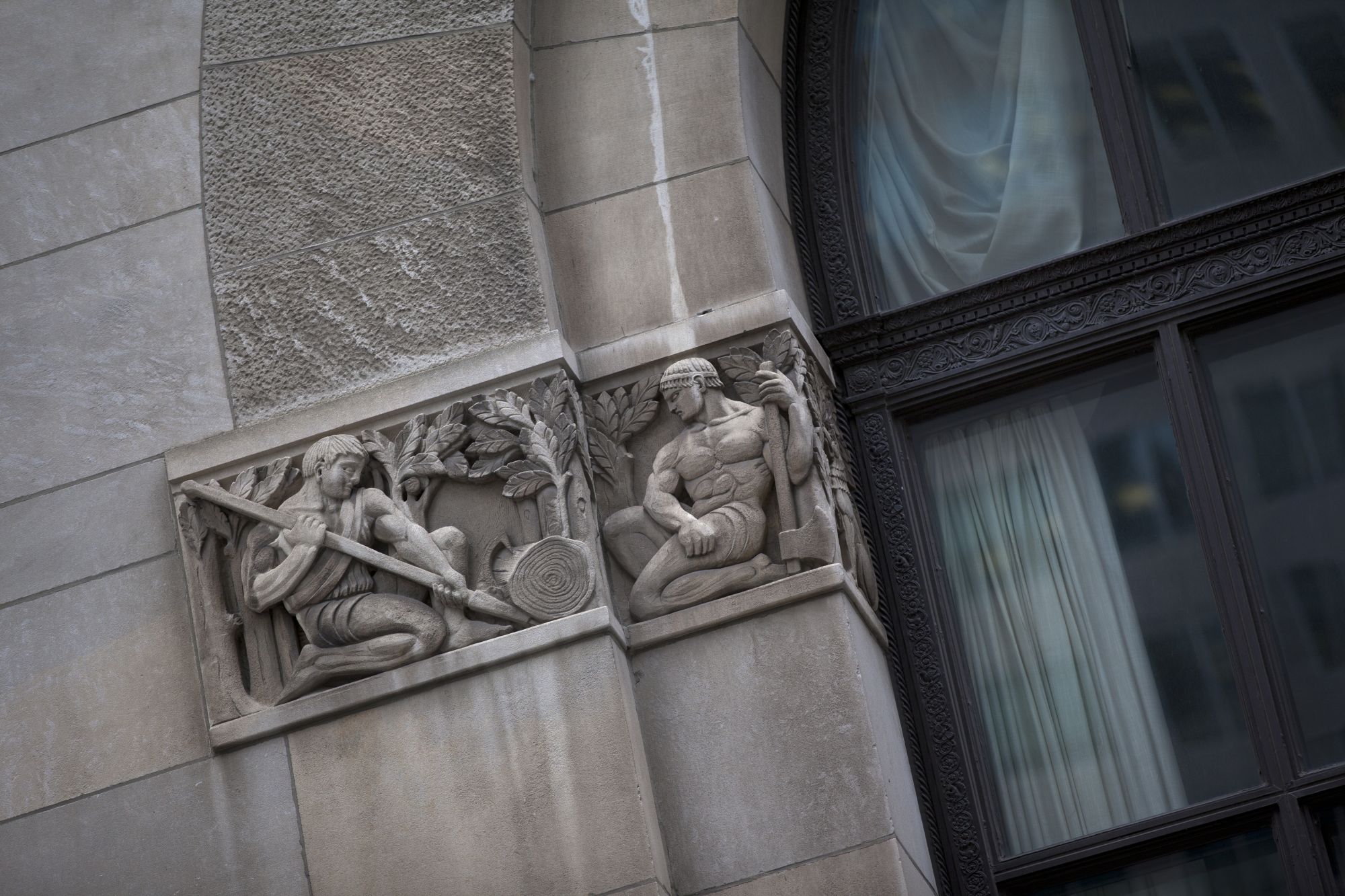
ART DECO INTERIOR DESIGN GUIDE 2026
If you have ever looked at a room with mirrored furniture, stepped shapes, brass details, bold patterns and a feeling of quiet glamour, you may have been looking at Art Deco. It is one of the most recognisable design styles of the 20th century, but it is also one of the easiest to misunderstand.
Art Deco is not just “old Hollywood” styling or gold accents. It is a design movement that grew from the modern world of the 1920s and 1930s. It appeared in architecture, furniture, ceramics, decor, coffee tables, lighting, fashion, jewellery, interiors and everyday objects. At its best, Art Deco combines clean geometry with rich vibrant materials, decorative detail and a strong sense of modern confidence.
A useful way to understand Art Deco is this: it sits between decoration and modernism. It is more structured than Art Nouveau, more luxurious than Bauhaus, and more decorative than mid-century modern. It takes the speed, machinery and optimism of the modern age, then gives it polish.
By the end, you will know what Art Deco is, where it came from, how to identify it in interiors and furniture, and why it still feels relevant today.

What Is Art Deco Movement
The Art Deco movement was an international style of decorative arts, architecture and design that developed in Europe in the early 20th century and became especially popular during the 1920s and 1930s. It is known for geometric forms, clean lines, stylised ornament, symmetry, luxurious materials and a strong sense of glamour. Britannica describes Art Deco as a movement that originated in western Europe in the 1910s and 1920s before becoming a major style in the United States during the 1930s.
The name Art Deco comes from the 1925 Paris exhibition, the Exposition Internationale des Arts Décoratifs et Industriels Modernes. The phrase “Art Deco” itself was popularised later, particularly during the 1960s, when the style was reassessed by historians and collectors. The New York Public Library notes that Art Deco was initially known by names such as “le style moderne” and “Jazz Moderne.”
The movement covered far more than interiors. It influenced skyscrapers, cinemas, ocean liners, furniture, ceramics, jewellery, posters, textiles and household products. The V&A describes Art Deco as one of the world’s first truly global design movements, with examples spanning furnishings, ceramics, glassware, metalwork, fabrics, prints and fashion.
What Was the Art Deco Movement
The Art Deco movement was a response to a changing world. After the First World War, design began to move away from the flowing, natural lines of Art Nouveau and towards sharper, cleaner forms. Cities were growing, technology was advancing, travel was becoming faster, and design started to reflect that new pace.
This is why Art Deco often feels both decorative and modern. It borrowed from Cubism, ancient cultures, contemporary avant-garde art, Ballets Russes, folk art and the imagery of the machine age. The V&A describes Art Deco as a pastiche of different styles and influences rather than one single fixed style.
A simple way to think about it is:
Art Deco celebrated modern life, but did not strip away luxury.
Where some modernist movements reduced design to pure function, Art Deco kept decoration. It used pattern, polish and rich materials, but with a more controlled and geometric language than earlier decorative styles.
What Is Art Deco Interior Design
Art Deco interior design is the use of Art Deco principles inside the home. It usually includes bold geometry, symmetry, rich finishes, polished surfaces, statement lighting and carefully chosen decorative details.
Common Art Deco interior features include:
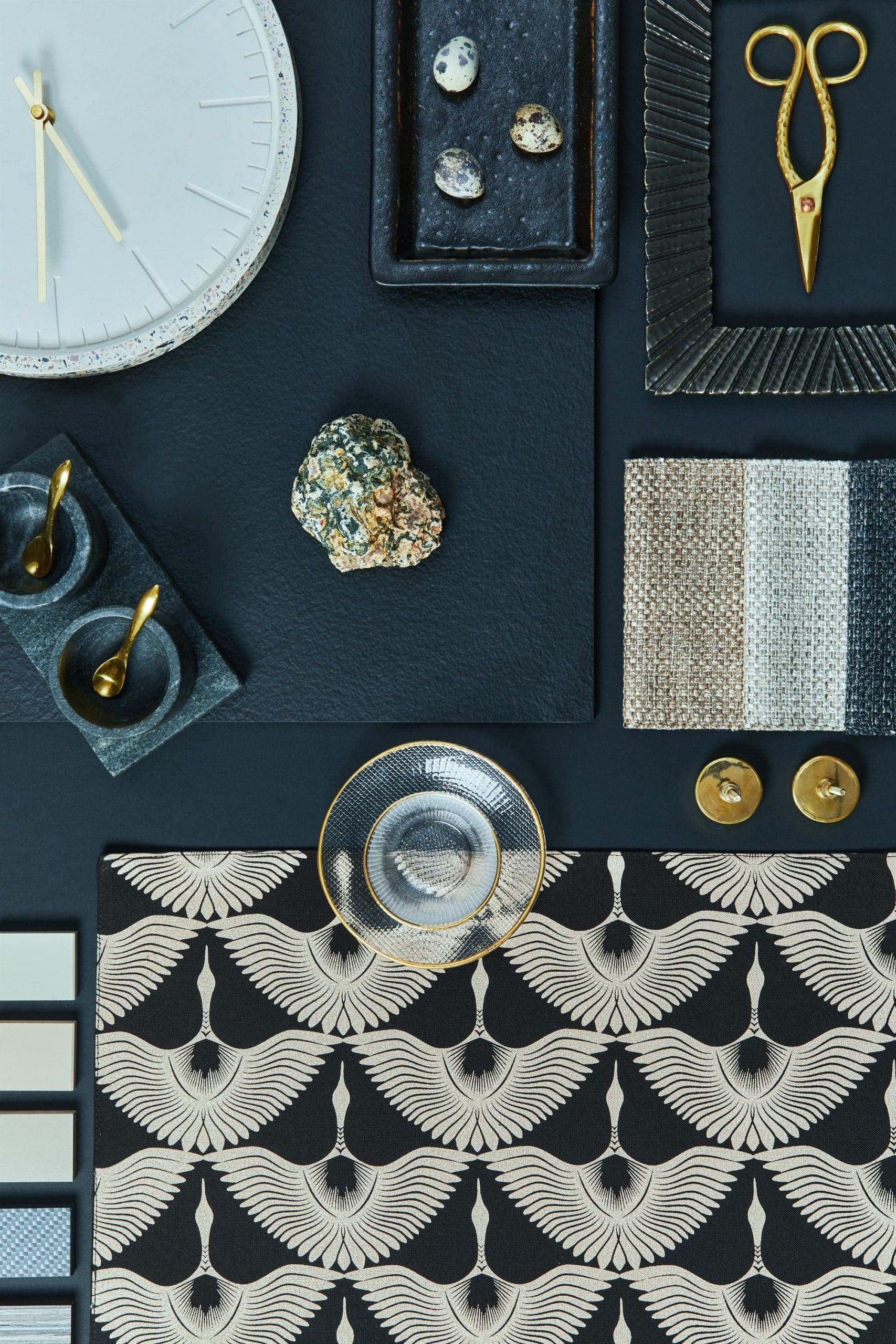
- Geometric patterns, such as chevrons, sunbursts, stepped forms and fan shapes
- Glossy materials, including lacquer, glass, chrome, mirror and polished wood
- Strong contrast, especially black with cream, brass, gold or deep jewel tones
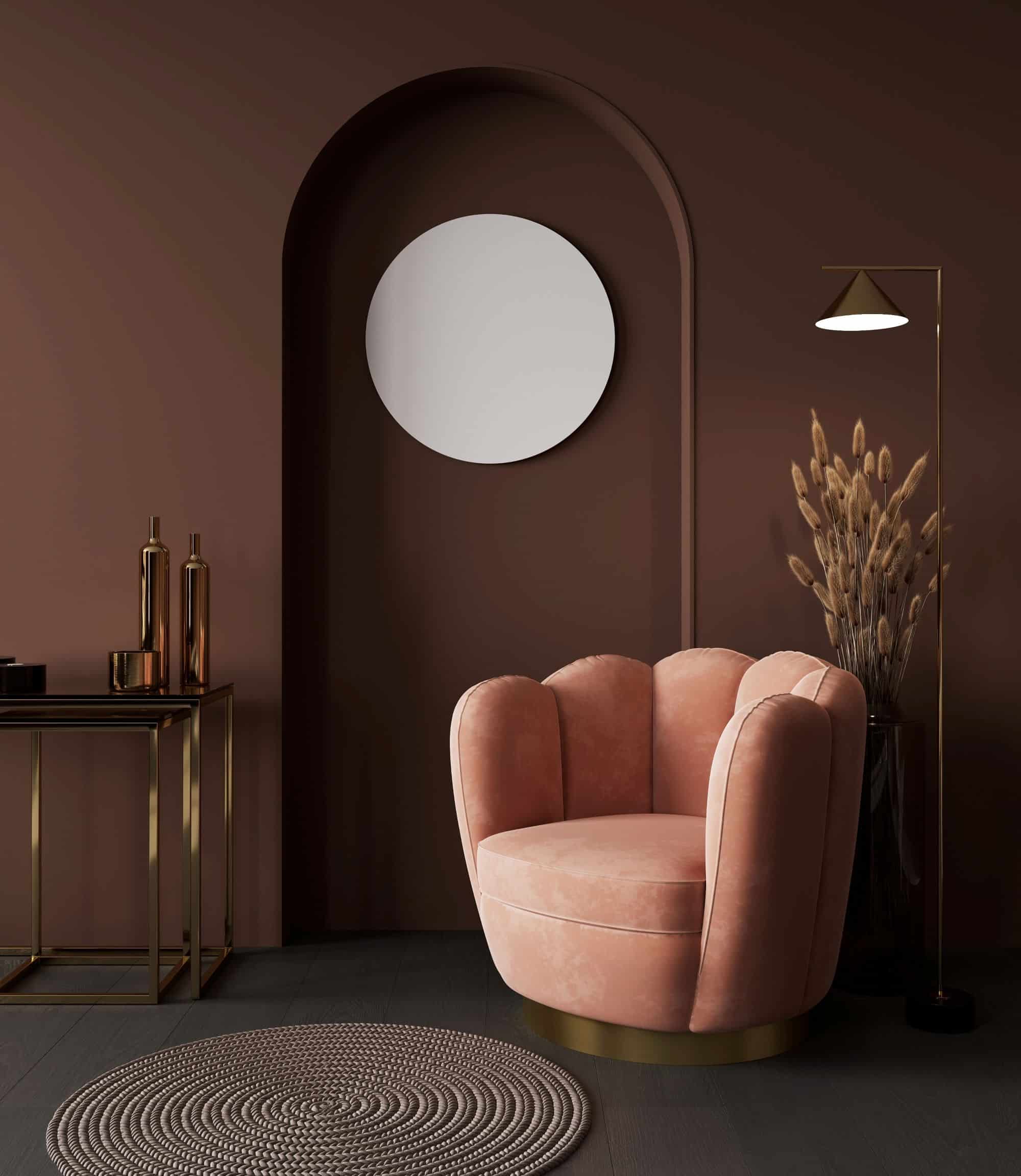
- Curved furniture mixed with angular shapes
- Statement lighting, often in glass, chrome, brass or frosted finishes
- Luxurious textures, such as velvet, marble, shagreen, inlay and high-gloss timber
The key is balance. A room does not need to be completely Art Deco to carry the style. In most modern homes, Art Deco works best when used in controlled moments: a sculptural sideboard, a fluted glass cabinet, a brass mirror, a geometric rug, or a pair of curved accent chairs.
A useful approach is to start with one hero piece, then support it with smaller details. Too much Art Deco can feel theatrical. Used carefully, it can make a room feel composed, elegant and more intentional
Who Was a Famous Art Deco Ceramic Designer
Clarice Cliff was one of the most famous Art Deco ceramic designers. She was a British ceramicist known for bold colour, striking shapes and modern patterns that brought Art Deco design into everyday homeware.
The V&A describes Clarice Cliff as one of the UK’s most prolific and important ceramicists, best known for innovative, colour-rich designs. Her early “Bizarre” ware used bright colours and confident decoration, making ordinary ceramics feel modern, expressive and collectible.
Historic England also describes Cliff as one of the most recognised ceramic designers of the 20th century, noting that her colourful plates, jugs, teapots and figures helped transform homeware during the interwar years.
Her work is a useful example of Art Deco because it shows how the movement was not limited to grand architecture or expensive interiors. Art Deco also shaped practical objects people used every day.
What Is Difference Between Art Deco and Art Nouveau
The main difference between Art Deco and Art Nouveau is shape.
Art Nouveau is flowing, organic and nature-inspired. Art Deco is geometric, structured and machine-age inspired.
Art Nouveau was popular earlier, especially between around 1890 and 1910. It often used curved lines, flowers, vines, insects and asymmetrical natural forms. Art Deco came later and used straighter lines, stepped forms, symmetry, stylised motifs and more streamlined shapes. Britannica makes this distinction clearly, noting that Art Nouveau emphasised nature and sinuous lines, while Art Deco favoured cleaner geometric and streamlined forms.
A simple comparison between art deco and art nouveau:
- Art Nouveau feels like vines, flowers and movement.
- Art Deco feels like skyscrapers, sunbursts and speed.
In interiors, Art Nouveau often feels softer and more romantic. Art Deco feels sharper, bolder and more architectural.
Who Created Art Deco
No single person created Art Deco. It was not invented by one designer or one studio. It developed through a mix of artists, architects, furniture makers, ceramicists, jewellers, fashion designers and manufacturers working in the early 20th century.
That said, Paris played a central role in its development. The 1925 Paris exhibition helped bring the style to international attention, and many important Art Deco designers were based in France. The NYPL notes that Art Deco developed first in France and gained international notice through the 1925 government-sponsored exposition.
Several names are strongly associated with the movement:
- Émile-Jacques Ruhlmann, known for refined French Art Deco furniture
- René Lalique, known for glass and jewellery
- Clarice Cliff, known for Art Deco ceramics
- Jean Dunand, known for lacquer, metalwork and decorative objects
- Eileen Gray, associated with lacquer, interiors and modern design
Ruhlmann is especially important in furniture and interiors. The Metropolitan Museum of Art describes his work as epitomising the glamour of French Art Deco in the 1920s, with refined materials and exceptional craftsmanship.
What Influenced Art Deco
Art Deco was influenced by many sources rather than one clear origin. This is part of what makes it so visually rich.
Important influences included:
- Cubism and abstract geometry
- Ancient Egyptian, Aztec and other historic motifs
- Ballets Russes and theatrical design
- The machine age, including cars, trains, ships and skyscrapers
- Luxury craftsmanship and traditional decorative arts
- New materials such as chrome, glass, concrete and plastics
- The optimism and social energy of the Jazz Age
The V&A notes that Art Deco designers borrowed from historic European movements, avant-garde art, Russian ballets, folk art, ancient cultures and the urban imagery of the machine age.
This mix explains why Art Deco can look different depending on where you see it. A Parisian cabinet, a Miami hotel, a New York skyscraper and a Clarice Cliff ceramic vase may not look identical, but they often share the same love of bold shape, decoration and modern energy.
How to Identify Art Deco Furniture
Art Deco furniture is usually easy to recognise once you know what to look for. It tends to feel sculptural, polished and carefully balanced.
The most common signs are:
Strong geometry
Look for stepped shapes, fan motifs, chevrons, sunbursts, fluting and repeating patterns.
Symmetry
Art Deco furniture often feels balanced and formal. Cabinets, sideboards and tables may have a strong central axis.
Rich materials
Original Art Deco furniture often used exotic woods, lacquer, ivory, shagreen, chrome, glass, marble and inlay. Modern pieces may use more ethical or accessible alternatives while keeping the same visual language.
Polished surfaces
High-gloss finishes are common. Lacquered wood, mirrored panels and reflective metals all help create the Art Deco look.
Curves with structure
Art Deco is not only angular. Many pieces use rounded corners, curved backs, barrel chairs and sweeping silhouettes, but they usually remain controlled rather than loose or organic.
Decorative detail
Inlay, marquetry, metal edging and geometric handles are common signs.
The Met’s description of Ruhlmann’s work is a useful benchmark: glamour, refinement, sumptuous materials and impeccable craftsmanship. That combination sits at the heart of high-end Art Deco furniture.
Is Art Deco Coming Back
Yes, Art Deco is coming back, although not always as a full historical revival. In modern interiors, it often appears through softer references: curved sofas, fluted glass, dark wood, marble, brass, statement lighting, scalloped shapes and geometric detail.
This return makes sense because Art Deco offers something many contemporary homes need: warmth, decoration and character without losing structure. It can sit comfortably with minimalist interiors because both styles value clean lines. The difference is that Art Deco adds richness.
Architectural Digest has recently described Art Deco as continuing to be popular among design lovers, with modern interpretations using bold colour, metallic finishes and more minimal applications of classic Deco ideas.
The strongest modern Art Deco rooms do not copy the 1920s exactly. They borrow the best parts: proportion, glamour, symmetry, craftsmanship and material contrast.
Quick Takeaways
- Art Deco is a decorative arts and design movement from the early 20th century
- It became internationally recognised after the 1925 Paris exposition
- The style is known for geometry, symmetry, luxury materials and modern glamour
- Art Deco influenced interiors, furniture, ceramics, architecture, fashion and everyday objects
- Clarice Cliff was a famous Art Deco ceramic designer
- Art Deco is sharper and more geometric than Art Nouveau
- No single person created Art Deco; it developed through many designers and cultural influences
- Art Deco furniture is usually polished, structured, decorative and material-rich
- The style is returning through curved furniture, brass, fluting, marble, lacquer and geometric pattern
Conclusion
When you ask what is Art Deco, the answer is not just a design style with gold details and geometric pattern. Art Deco is a complete visual language from the modern age of the 1920s and 1930s. It brought together luxury, craftsmanship, technology, travel, architecture and decorative art.
Its strength is that it feels both historic and modern. It can be grand, but it can also be subtle. A full Art Deco interior may feel dramatic, but a single Art Deco inspired piece can add structure, polish and personality to a room.
The most practical way to use Art Deco today is to focus on proportion and material. Choose clean shapes, rich surfaces and one or two strong decorative details. Avoid overloading the space. Art Deco works best when it feels deliberate.
Done well, it makes a room feel composed, confident and quietly glamorous.
Frequently Asked Questions
What is Art Deco in simple terms?
Art Deco is a 20th century design style known for geometric shapes, symmetry, rich materials and glamorous detail. It appeared in architecture, interiors, furniture, ceramics, jewellery and fashion.
What years are Art Deco?
Art Deco developed in the 1910s and became especially popular during the 1920s and 1930s. Some sources describe its main period as roughly 1919 to 1939.
What colours are Art Deco?
Common Art Deco colours include black, cream, gold, brass, emerald green, deep blue, burgundy, silver and warm neutrals. Modern Art Deco interiors often use a calmer palette with one or two dramatic accents.
Is Art Deco modern or traditional?
Art Deco is both. It is historic because it belongs to the early 20th century, but it was modern in its own time because it celebrated machinery, speed, new materials and urban life.
What makes a room Art Deco?
A room feels Art Deco when it uses geometric pattern, symmetry, polished materials, statement lighting, curved or stepped furniture, metallic accents and a sense of controlled glamour.
References
- Victoria and Albert Museum, Art Deco Collections and An Introduction to Art Deco.
- Britannica, Art Deco: Period, Architecture, Style, Characteristics, History.
- The New York Public Library, Art Deco: A Research Guide.
- The Metropolitan Museum of Art, Ruhlmann: Genius of Art Deco.
- Victoria and Albert Museum, Art Deco: Clarice Cliff.
- Historic England, Clarice Cliff 1899 to 1972.
- Architectural Digest, Art Deco Interior Design: Everything You Need to Know.
