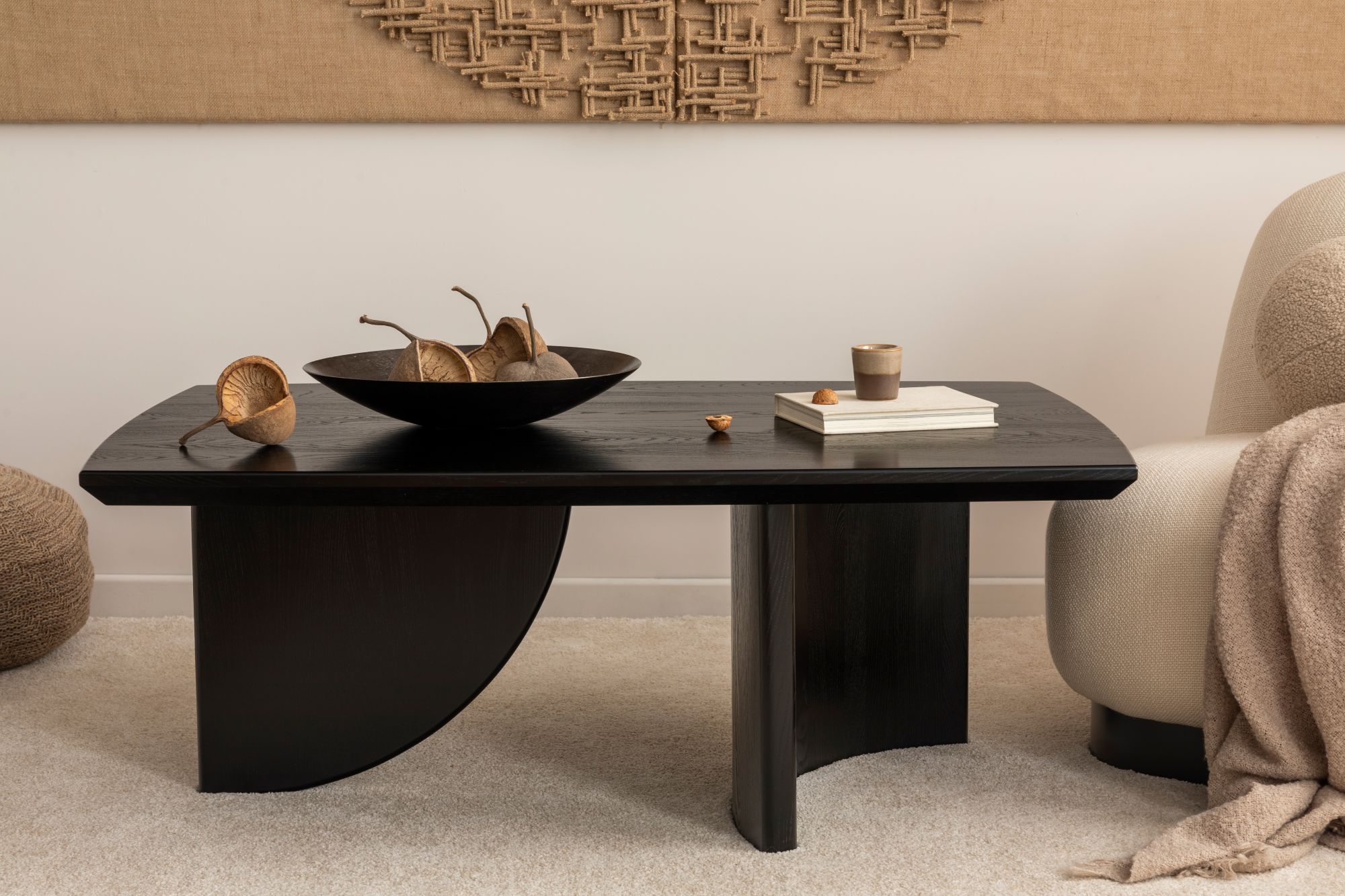
A coffee table is more than a landing spot for remotes or half-finished cups of tea, it’s the visual centerpiece of your living room. Done well, a coffee table tells the story of who you are, introduces texture and color, and ties together the rest of your seating area. Done poorly, it becomes a clutter magnet or an awkward empty expanse. If you’ve been puzzling over how to style yours, this guide is for you. We’ll explore the 2/3 rule for sizing, the rule of three for styling, what to put in the middle, how to make your table look more expensive, and which objects (books, flowers, candles and more) elevate the space. You’ll also learn how to balance beauty with practicality so your table still functions in daily life.
Quick Answer: The Basic Formula for Coffee Table Styling
A well-styled coffee table, (like the Noguchi coffee table) usually follows a simple formula: one anchoring element, a mix of objects at different heights, a touch of nature, and enough negative space to function. Designers often group objects in odd numbers, typically three, because our eyes perceive these arrangements as balanced and relaxed. A classic trio might include a tall vase or sculpture, a medium-height candle, and a low decorative bowl or tray. This creates an intentional vignette without feeling cluttered.
Balanced Arrangements & Odd Numbers
The “rule of three” is more than an arbitrary guideline; it’s rooted in how our brains process visual information. Groupings of three objects create a “magic number” that feels balanced, offers visual depth and keeps the eye moving. A simple centerpiece can be created by lining up three vessels filled with flowers or grouping three items on a tray. Vary the heights and shapes of your objects.
When You Might Break the Rules
Rules are guides, not shackles. If you have a very large coffee table, you might use five items instead of three, dividing the surface into zones. Conversely, for a tiny table or an upholstered ottoman, one or two carefully chosen pieces might be enough. The important thing is to keep your surface functional, always leave space on the coffee table to set down drinks or kick up your feet.
What Is the 2/3 Rule for Coffee Tables?
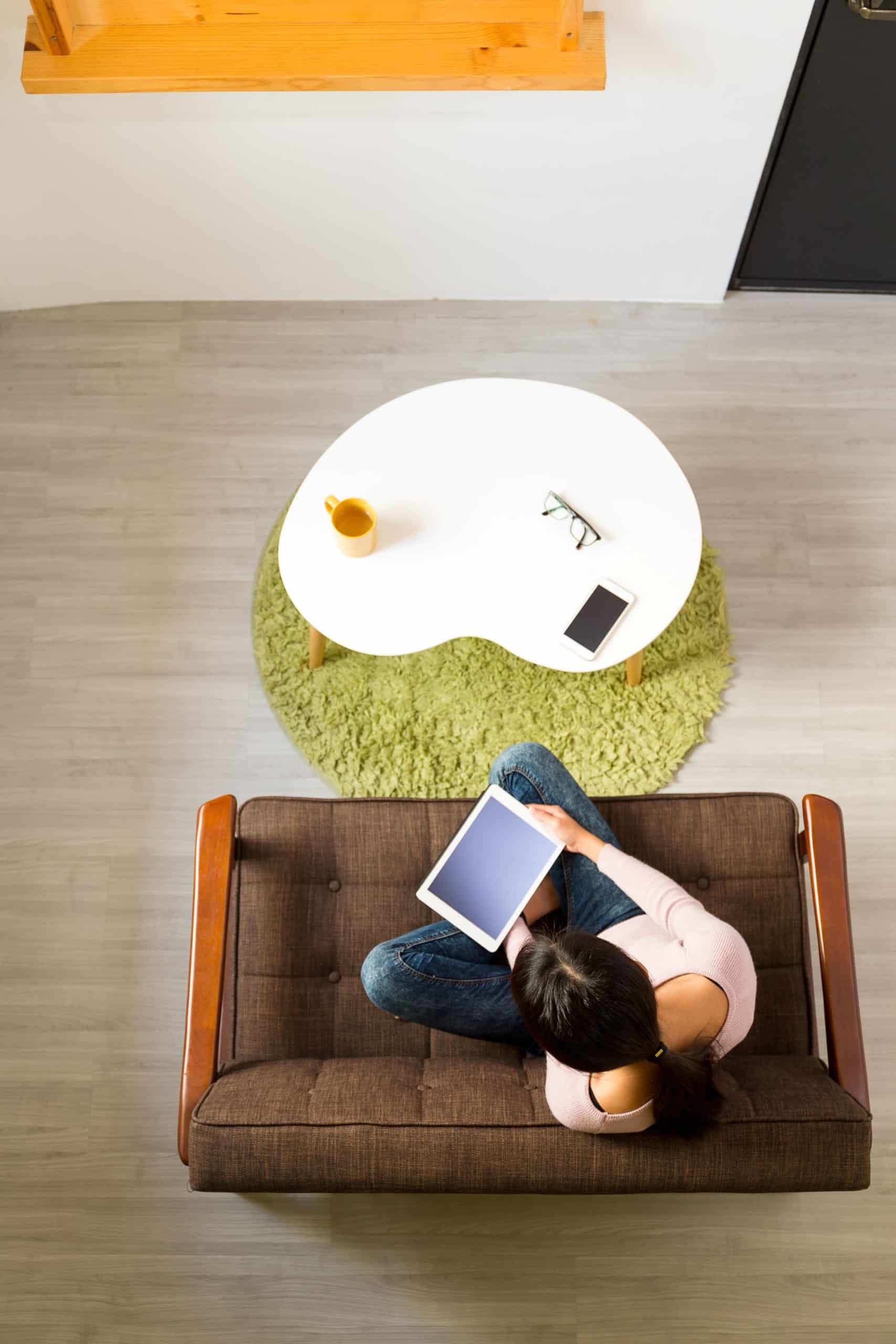
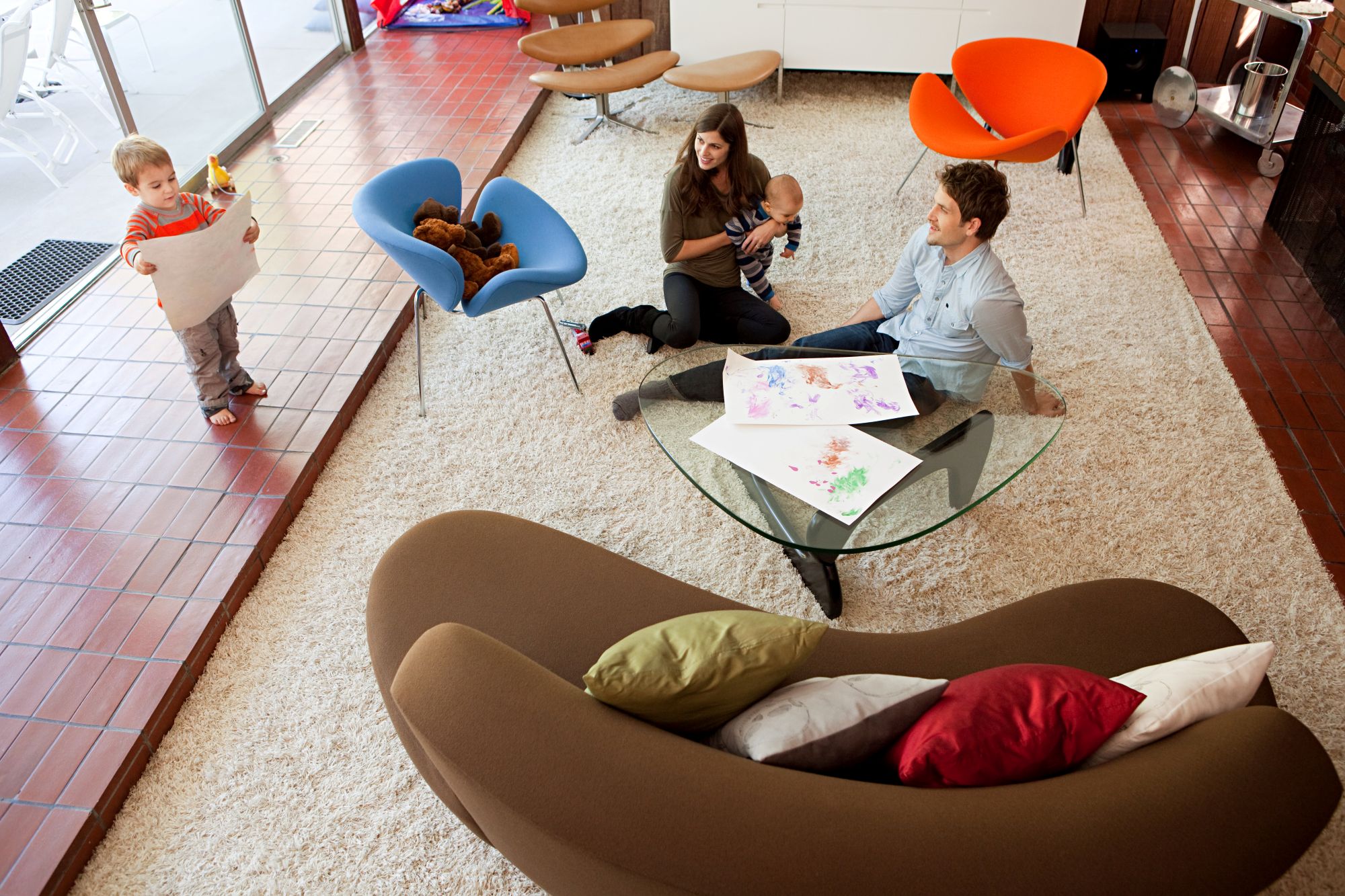
The 2/3 rule is a proportion guideline that helps your coffee table look harmonious with your sofa. A practical rule is that the length of the coffee table should be roughly two-thirds the length of the sofa. This proportion gives the arrangement visual balance and provides enough surface area for décor and everyday items without dwarfing or overwhelming the seating.
Measuring Your Sofa and Table
To apply the 2/3 rule, measure the total length of your sofa (arm to arm). Multiply that measurement by 0.66 to get the ideal coffee table length. For example, if your sofa is 90 inches long, aim for a table about 60 inches. In terms of height, most guides recommend a coffee table that’s the same height as your sofa seat or 1–2 inches lower. Standard coffee tables fall between 16–18 inches high.
Shape and Room Considerations
Room size and layout matter too. In large living rooms, you can choose a bigger square or rectangular table so it becomes a focal point. In small rooms, round or oval tables soften the space and help with traffic flow. When styling rectangular or square tables, it can help to divide the surface into grids or quadrants; a square table could hold one central arrangement or three varied objects in the middle. Round and oval tables are better suited to the rule of three, with a single grouping and plenty of breathing room.
Starting with a Clean Slate & Foundation
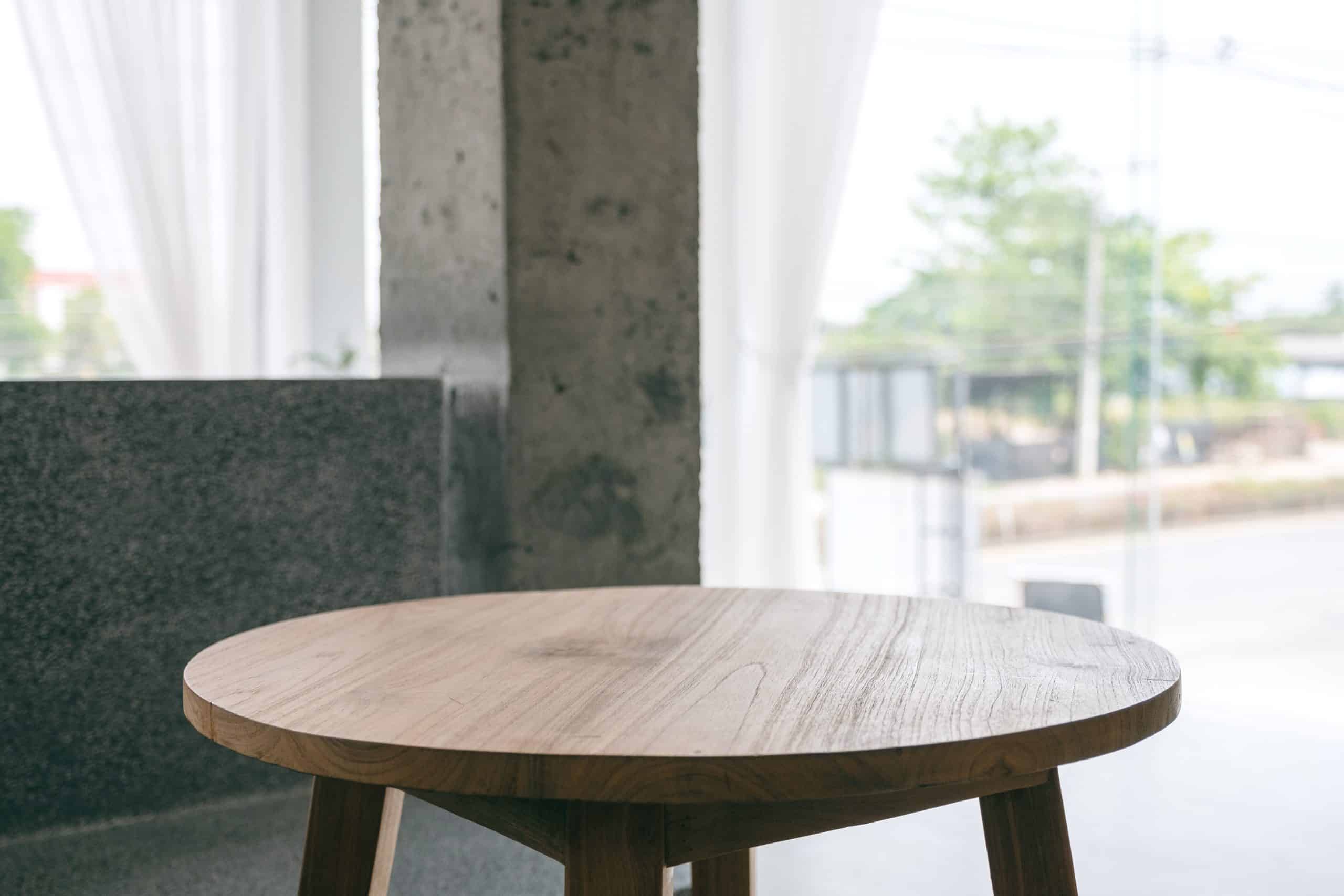
Before you decorate, clear your table completely. Observe its shape, finish and scale, rectangular tables benefit from balanced, structured layouts, while round or oval tables look better with softer, asymmetrical groupings. Let the table’s material (wood, metal, stone, glass) guide your direction.
Using a Tray or Board as an Anchor
A decorative tray or vintage bread board acts as an anchor that corrals smaller items and gives your arrangement cohesion. Choose a material that complements the table: rattan adds warmth, marble feels luxurious, and metal reads modern. A tray adds warmth to a glass table and character to any vignette. On large tables, you can create “zones” with a tray in one area and books or other items beside it.
Variety & Height: Creating Depth and Interest
Flat, uniform objects make a coffee table feel lifeless. Create depth by varying the heights and sizes of your pieces. Different heights send the eye on a visual journey up and down the arrangement. Taller objects should not be so high that you can’t see across the table, but they should contrast with shorter items. Decorative objects in various shapes and heights add depth and invite the eye to travel.
Organic Elements & Books
A touch of nature instantly softens hard edges. Add something living or natural to every styled surface: fresh flowers in a simple vase, sculptural branches, small potted plants or bowls of shells, stones or wood beads. Greenery, wood or stone can bring life and texture to the arrangement.
Coffee Table Books & Personal Touches
Coffee table books serve as both décor and conversation starters. Stack two or three books as a base and top them with a small object. Choose titles that reflect your interests, and vary the orientation of stacks across the table for visual rhythm. Personal items such as travel souvenirs, family photos or a beloved heirloom lend meaning and authenticity. These pieces tell your story and make the coffee table feel curated rather than staged.
Sculptural Objects & Statement Pieces
One standout element acts like jewelry for your table. It could be a decorative bowl, a unique candle, a handcrafted sculpture or a vintage find. Look for shapes that contrast with your other pieces: if you already have rectangular items, choose something round; if your table is full of glossy objects, add something matte. The key is to select an object that sparks joy every time you see it.
Scent, Light & Mood: Elevating Ambiance
Layers of scent and soft light elevate your coffee table and make it feel more luxurious.
Scented Candles & Fragrance
A fragrant candle appeals to your sense of smell and introduces a circular shape. Candlelight creates a warm, inviting ambiance that highlights your display. Matches or a brass wick trimmer can be stored in small jars or boxes as functional décor.
Quality Materials & Finishes
High-quality materials instantly make your coffee table look more expensive. When choosing a tray or accessories, consider rattan for warmth, marble for a luxurious feel or metal for a modern edge. Contrasting finishes are important; avoid styling a marble table with all marble accessories, or a black timber table with all black items. Metallic accents (brass, gold, nickel) or a piece with a bit of shimmer can elevate the scene.
Use Larger Statement Items Over Trinkets
Minimalism reads as luxe. Designers caution against scattering lots of tiny trinkets: larger items create impact and look less cluttered. One substantial sculpture, a generous vase of flowers or a decorative box adds sophistication without crowding the surface.
What to Put in the Middle of a Coffee Table?
The middle is the focal point, so choose pieces that ground the arrangement without blocking sight lines.
A Tray & Trio as the Foundation
Many designers start with a tray or board. A tray anchors your items, keeps smaller objects organized and allows you to lift everything off the table when you need clear space. Place your main grouping within the tray. Keep centerpieces low enough for conversation and use three vessels on a tray or a low floral arrangement flanked by candlesticks. The same principle applies to coffee tables; a low arrangement ensures you can see over it when seated.
Stacks of Books, Bowls & Greenery
A stack of books topped with a decorative object, a bowl filled with natural elements or a potted plant are all great options for the centre. Layer candles, coasters, small books or florals inside the tray. Organic elements like a bouquet, branches or a plant add movement and life. Leave some negative space so the table doesn’t feel overcrowded.
How to Make a Coffee Table Look More Expensive?
You don’t need a luxury budget to create a high-end look. Focus on materials, scale and curation.
Choose Rich Materials & Finishes
Select accessories made of marble, brass, crystal or high-quality ceramics. Even a single marble tray can elevate the entire vignette. Contrast these with natural textures like wood or woven fiber for warmth. Avoid repeating the table’s finish; instead, let different materials play off each other.
Embrace Scale & Simplicity
Bigger items look more luxurious than clusters of tiny trinkets. Larger pieces create more impact than an assortment of small objects. A tall sculptural vase filled with fresh branches and a single large candle feels more curated and expensive than ten little figurines. Leave some breathing room on the surface; a spacious arrangement reads as intentional and high-end.
Add Greenery, Scent & Artful Objects
Fresh flowers or a sculptural plant lend an upscale hotel feel. Candles add both scent and mood. Finally, incorporate one or two artful objects – perhaps a handcrafted sculpture or a vintage treasure – to give the table personality and depth.
What Is Nice to Put on a Coffee Table?
The best coffee table accessories are a mix of functional and decorative items. Here are some go-to ideas:
- Decorative tray – corral items and provide structure.
- Coffee table books – stack 2–3 thick books that reflect your interests.
- Fresh flowers or plants – add life and soften hard edges.
- Candles – bring scent and warmth.
- Sculptural object or bowl – provide a focal point.
- Storage box or lidded container – hide remotes and coasters while keeping the table functional.
- Personal mementos – travel souvenirs, framed photos, small pieces of art.
Keep each category to one or two items and remember to vary height, texture and finish.
What Is the Rule of 3 for Centerpieces?
The rule of three is a classic décor principle: objects arranged in odd numbers, especially in threes, feel more balanced and visually pleasing. Our brains are wired to see groups of three as a complete set. When you have three items of different heights, your eye travels from one to the next, creating depth.
For centrepieces on coffee tables or dining tables, lining up three vessels and filling them with flowers or grouping three items on a tray works well. Keep the pieces low enough so guests can see each other across the table. Another classic arrangement is a low floral centerpiece flanked by two candlesticks.
You can interpret the rule flexibly: three identical items, like similar vases, create symmetry; three varied items, like a candle, book stack and plant, add contrast. The underlying idea is that an odd-numbered grouping, especially three, feels intentional and complete.
Seasonal & Functional Considerations
Refresh Your Décor Seasonally
Coffee table styling isn’t permanent. Rotate small elements with the seasons: light ceramics and fresh flowers in spring; coastal textures and greenery in summer; wood tones and warm candles in fall; metallic touches and evergreen sprigs in winter. These subtle swaps keep your space feeling current without a full redesign.
Leave Room for Life & Keep Practicality in Mind
No matter how beautiful your vignette, a coffee table must remain functional. Leave space to set down drinks, place your phone or prop up your feet. Keep snacks, coasters and remote controls within easy reach. Store remotes and matches in a decorative box or drawer, and edit your display regularly so it never feels cluttered.
