Noguchi Style Coffee Table

£300.00


Noguchi Coffee Table

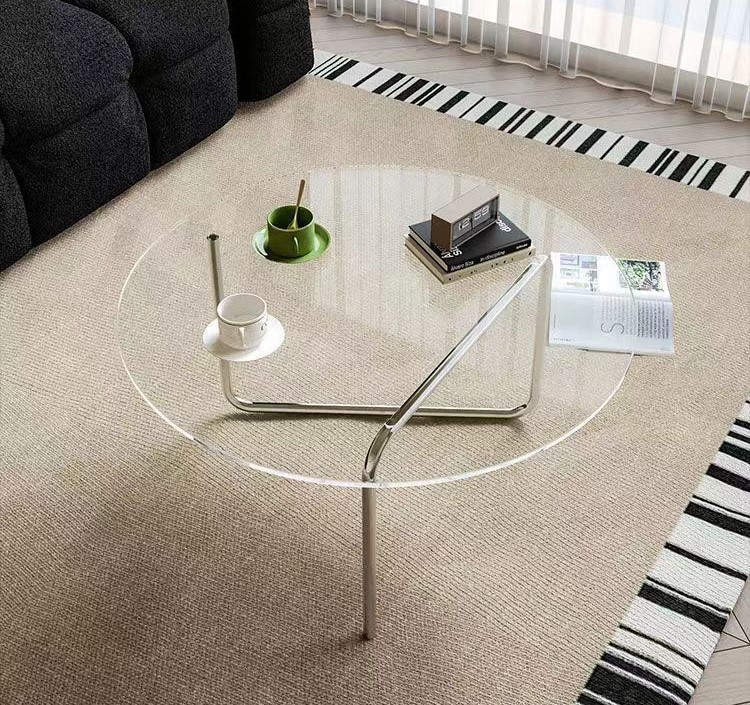
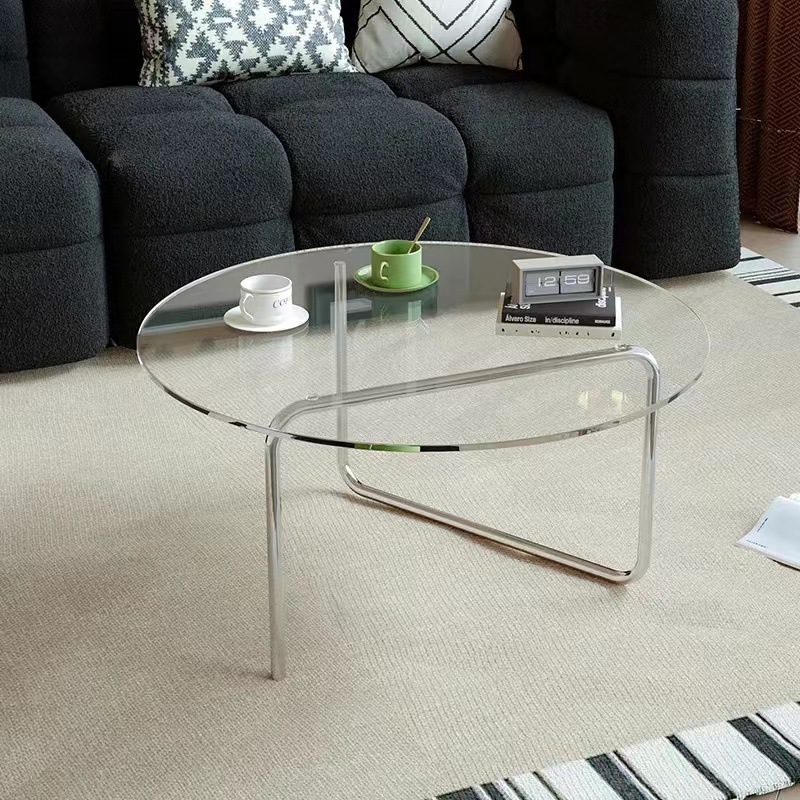
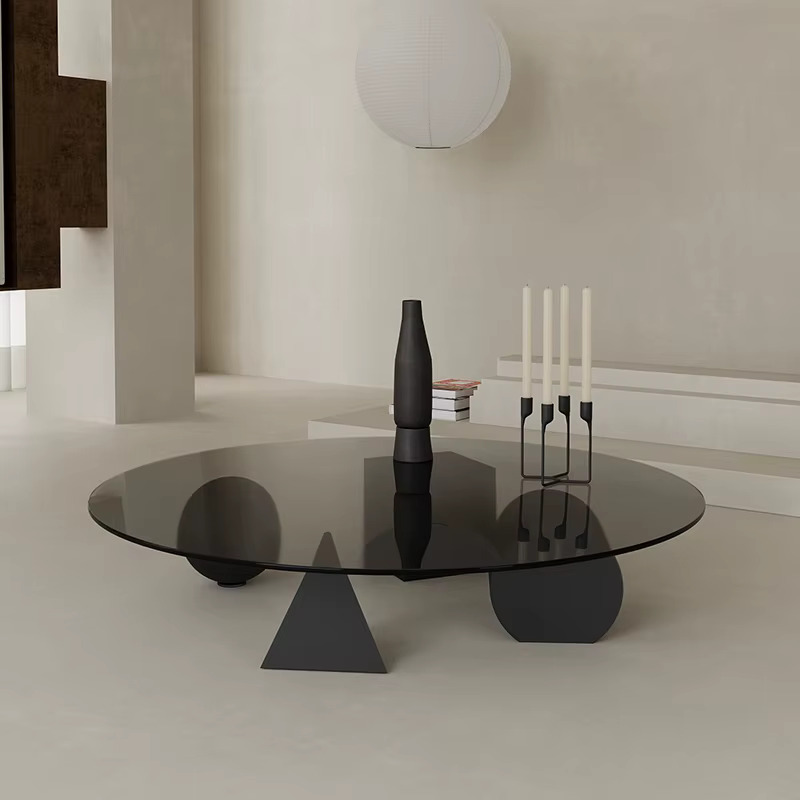
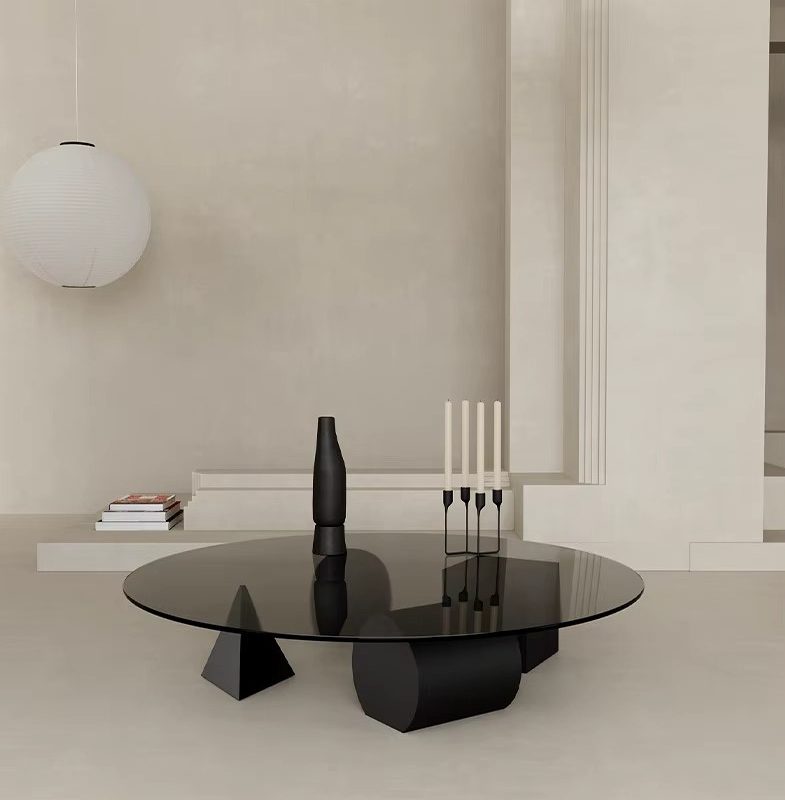
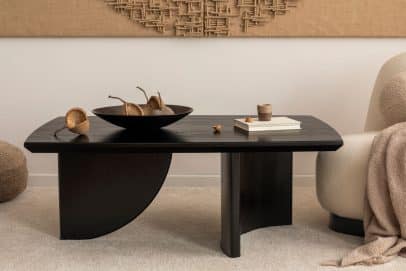
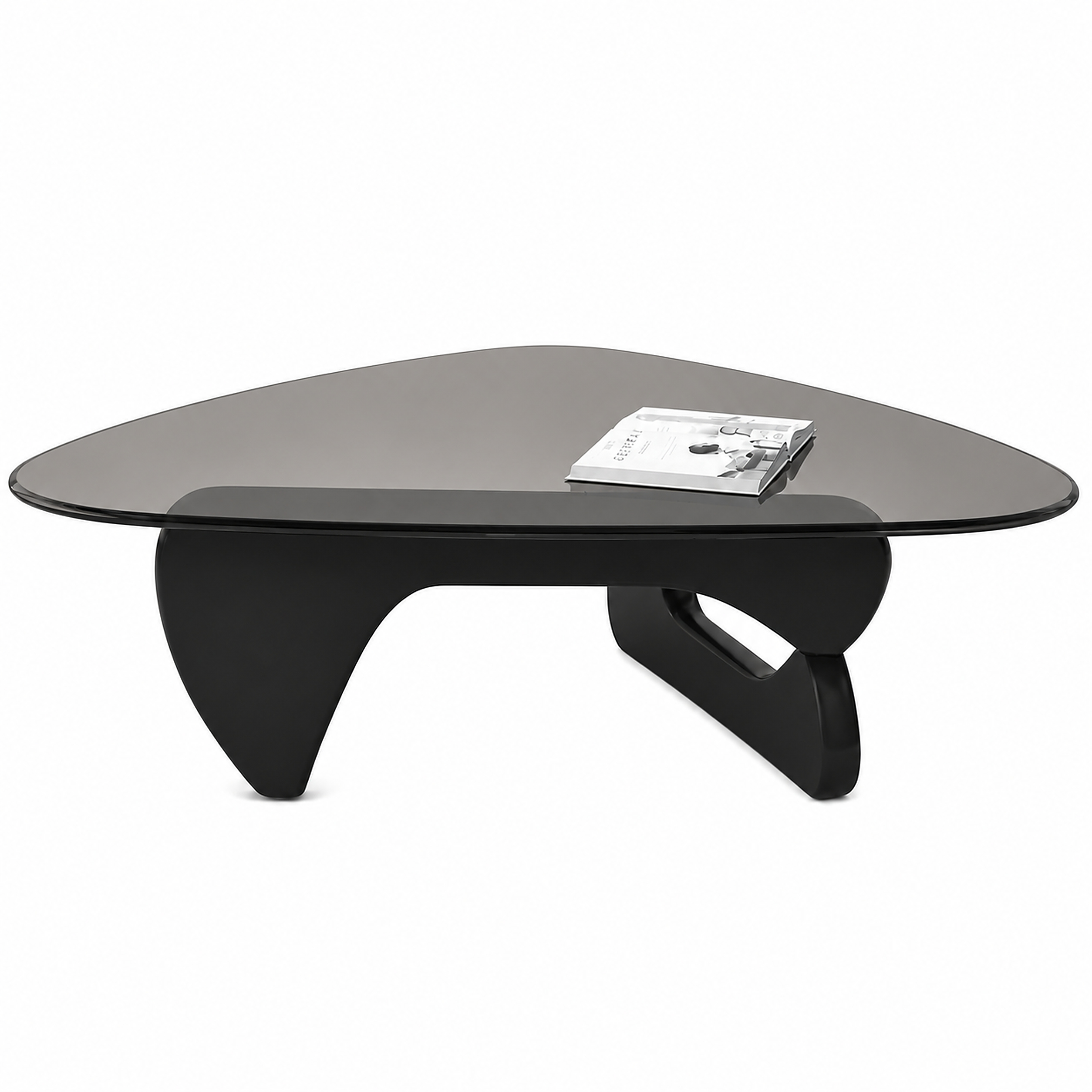
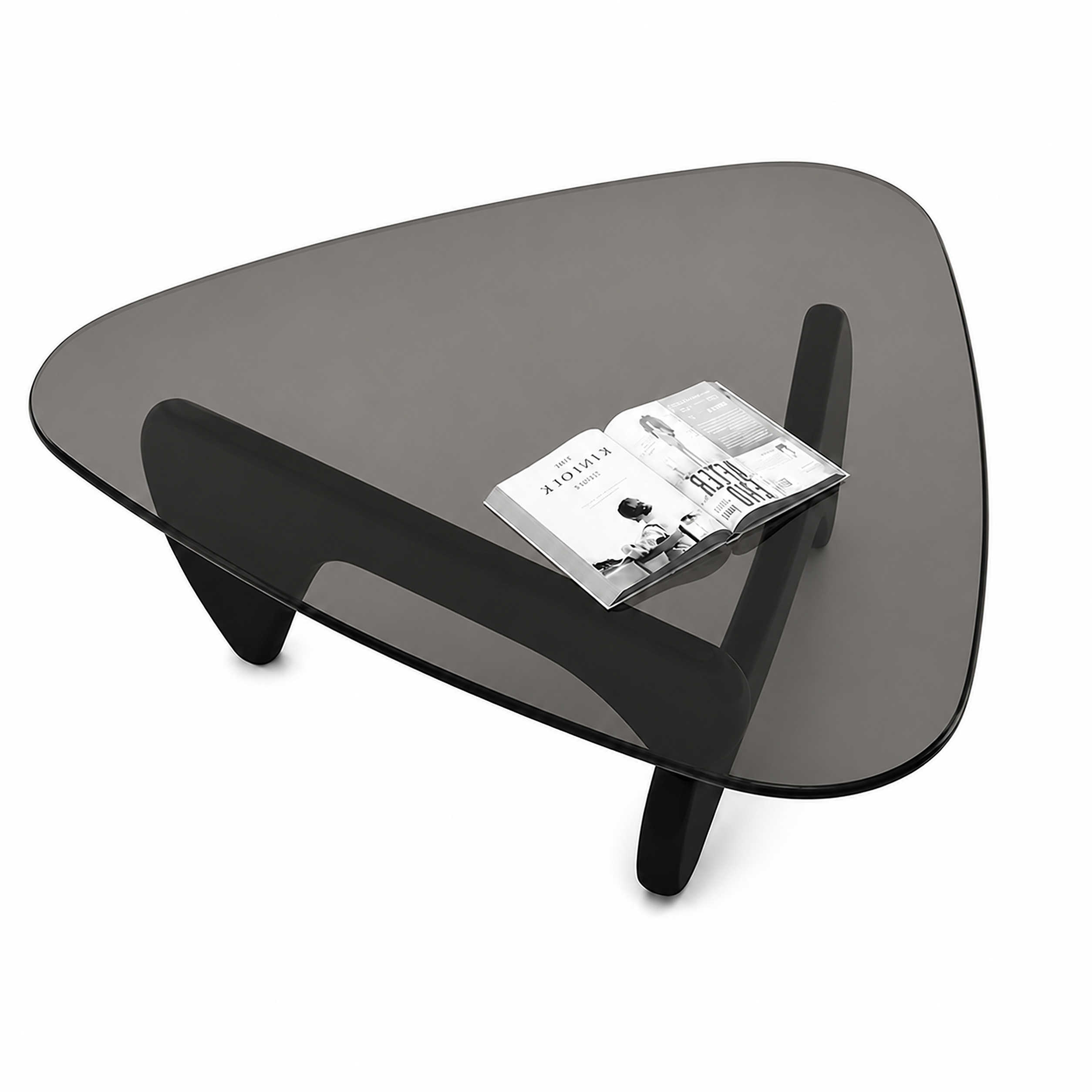
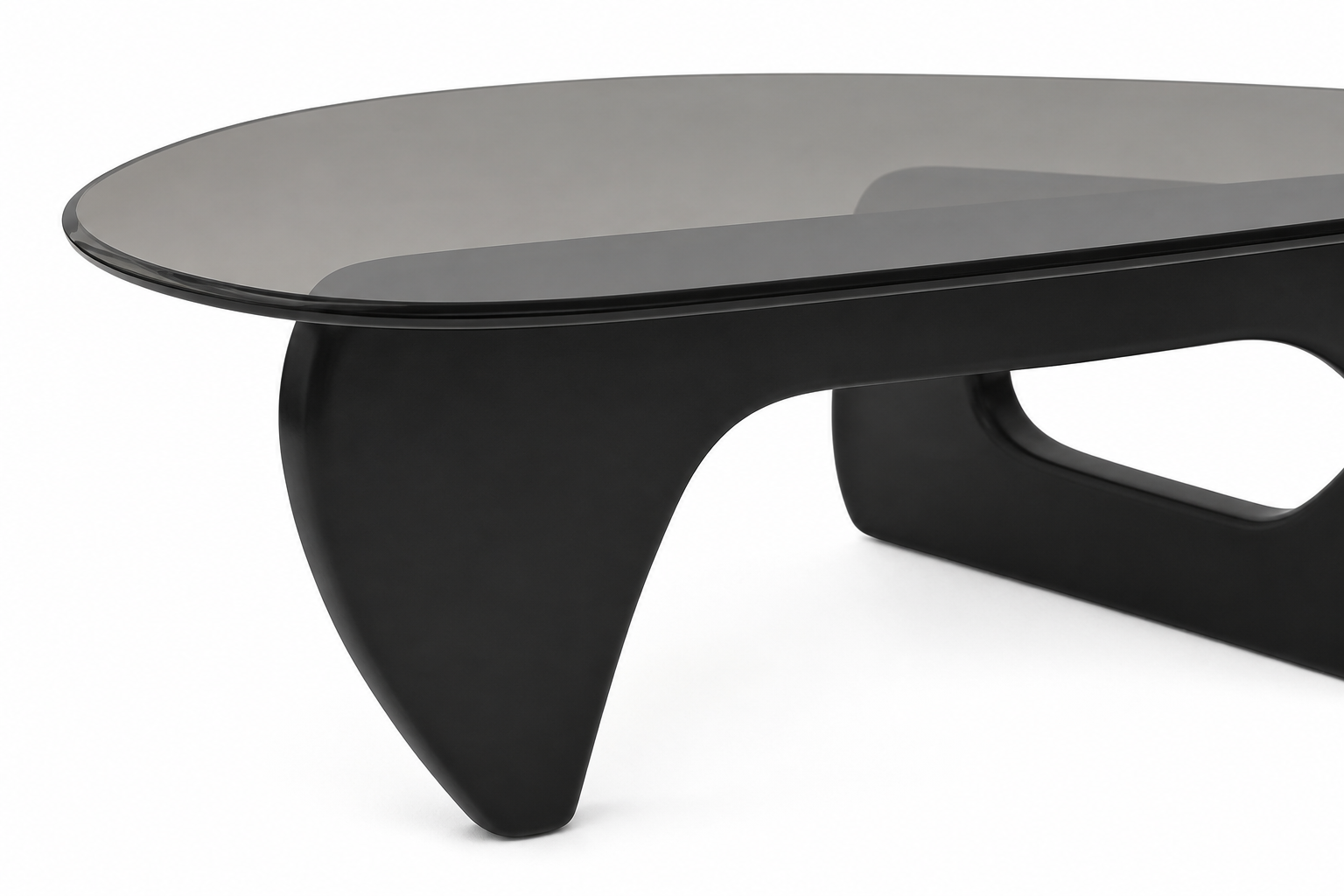
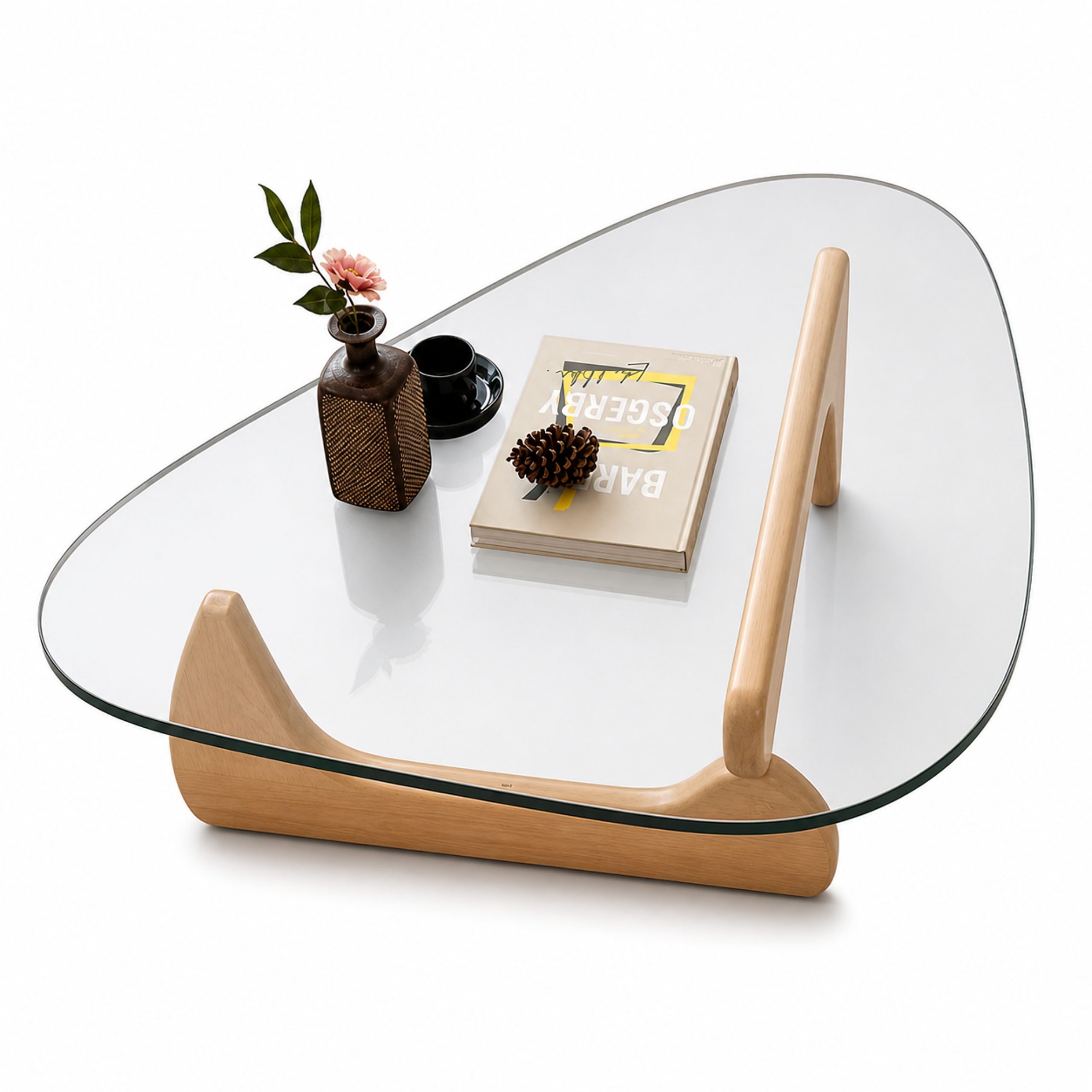
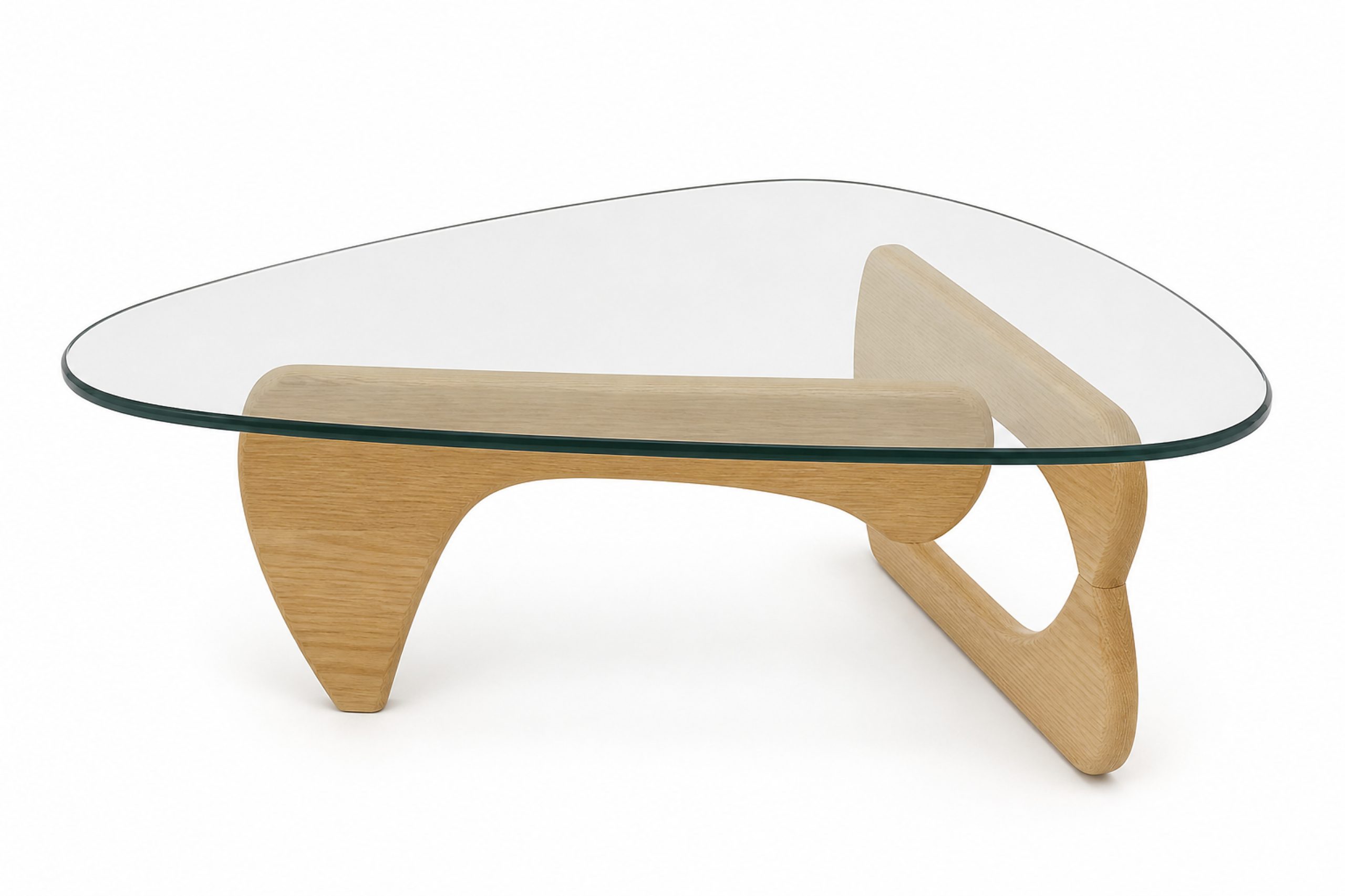
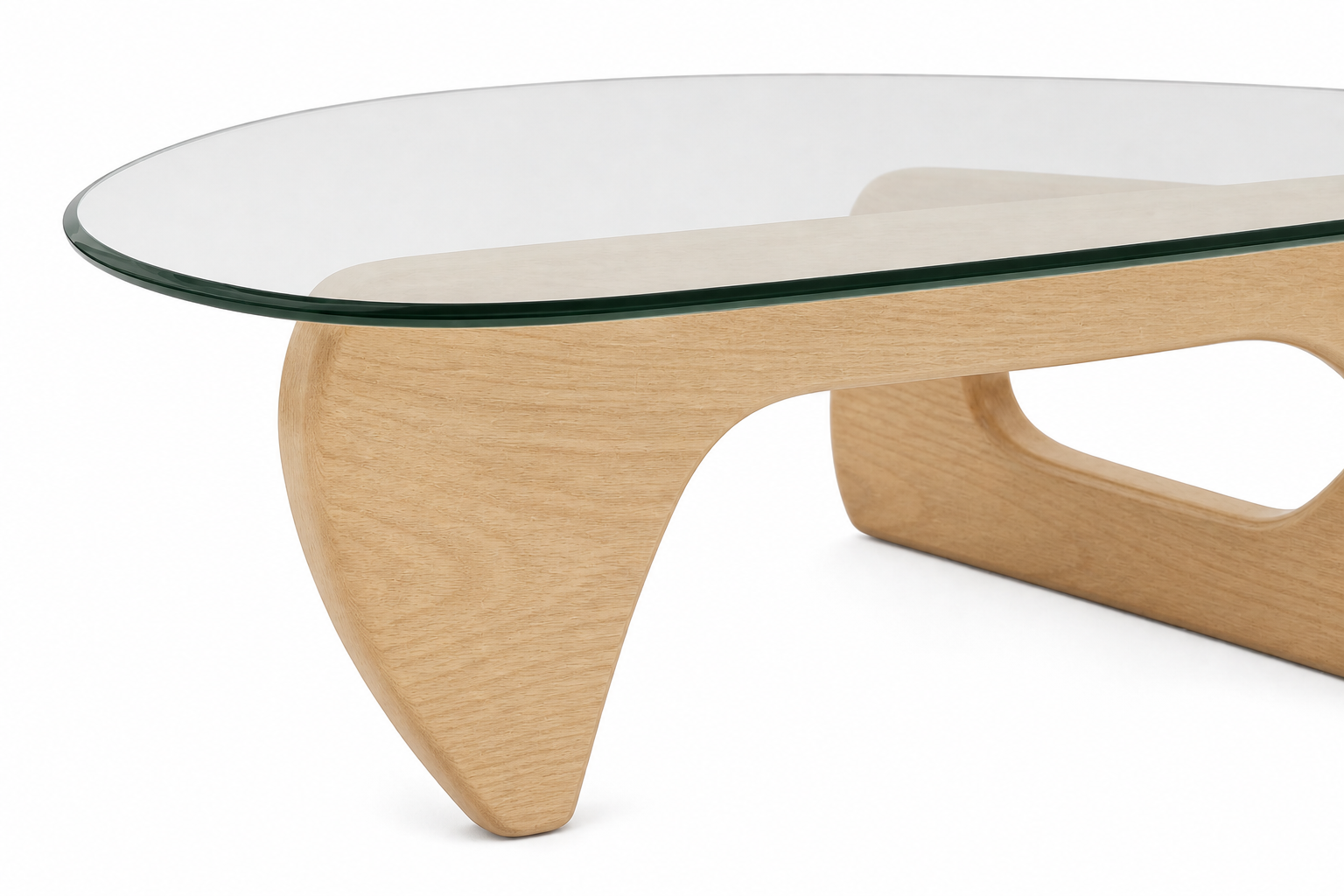
The Noguchi Style Coffee Table is a tribute to one of the twentieth century’s most enduring coffee table designs. Created in 1944 by the Japanese-American artist Isamu Noguchi, the original was regarded by its creator as his finest interior furniture work. The Noguchi coffee table picks up where that classic left off. The glass top has that soft, organic round shape that is hand-made. The two timber legs lock together in a clever little tripod that holds everything in place using nothing but the weight of the glass. No screws on show, no fuss.

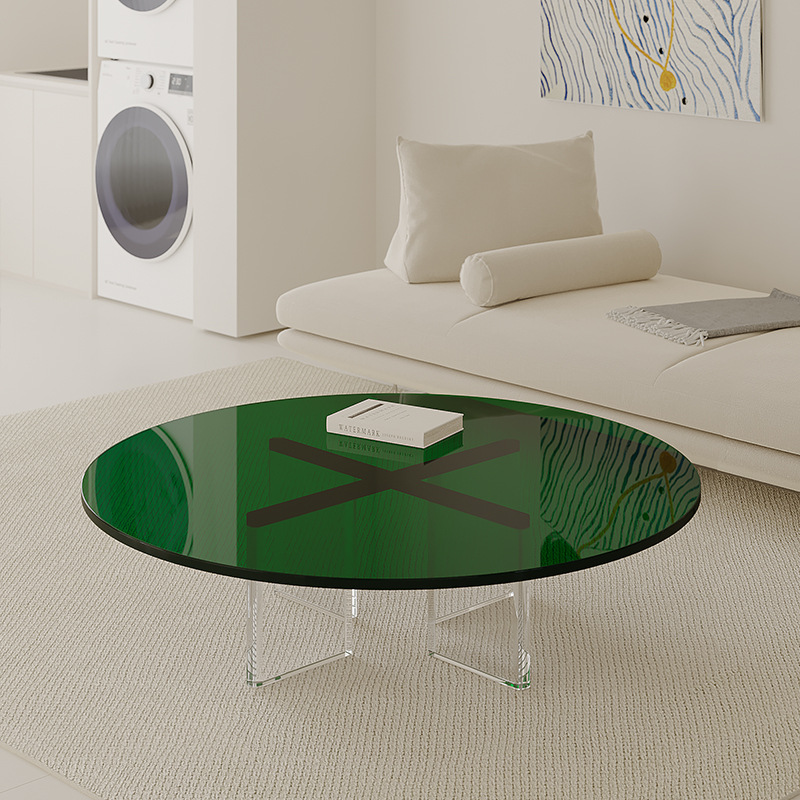
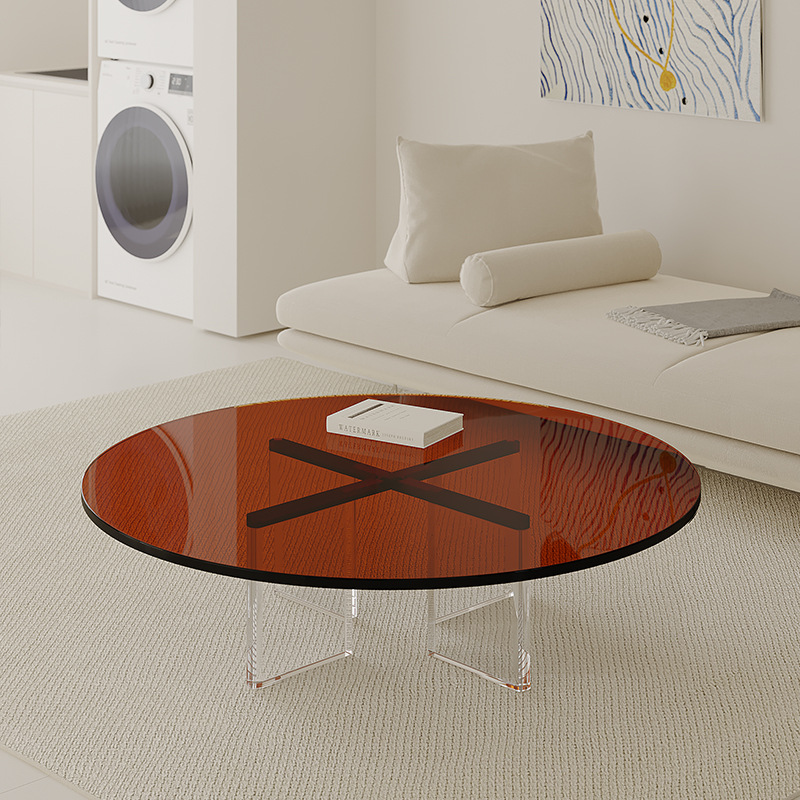
Pair the clear glass with the light wood base and it brings a soft, airy feel that works beautifully in a Japandi or Scandi interior space. Go for the dark glass with the moodier vibe, the sort of piece that anchors a darker living room without taking over. Either way, the Noguchi’s low rise, ergonomic shape makes it a subtle alternative to the heavier, boxier coffee tables you see everywhere else.


Japandi Coffee Table

  • Material: Glass and wood
  • Colour: Clear glass top with light wood base, or dark glass top with black base
  • Size (L, W, H): 92cm x 65m x 40cm
  • Design: Mid-century modern, Sculptural, Japandi
  • Installation: Home assembly

Explore the rest of our coffee tables.

SKU: N/A Category:

Tab title

Weight N/A
Dimensions N/A
Colour

Dark, Light

Historical Signficance

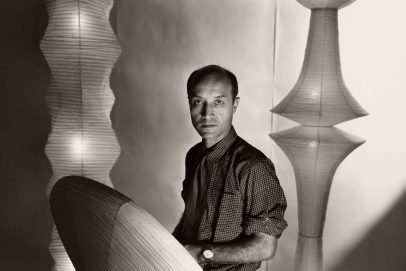
The Noguchi coffee table has one of the more interesting backstories in modern furniture. It was designed in 1944 by Isamu Noguchi, a Japanese-American artist who spent most of his career making sculpture rather than furniture. Herman Miller put it into production in 1947, and it quickly became one of the defining pieces of mid-century modern design. It was discontinued in the 1970s, then brought back by popular demand in 1984, and it’s been in continuous production ever since through Vitra in Europe and Herman Miller in the US.

Noguchi himself often said it was the best piece of furniture he ever made, which is quite the endorsement from someone whose sculptures sit in museums around the world. More than eighty years on, the design still feels current. That’s the mark of something genuinely timeless, and it’s exactly why we wanted to bring our own take on it into the collection.