Your basket is currently empty!
Accent Chairs
An accent chair is a central part of your living room. It’s one of those staple furniture pieces that can really elevate a room’s interior and set the tone of the house.
Showing all 2 results
-
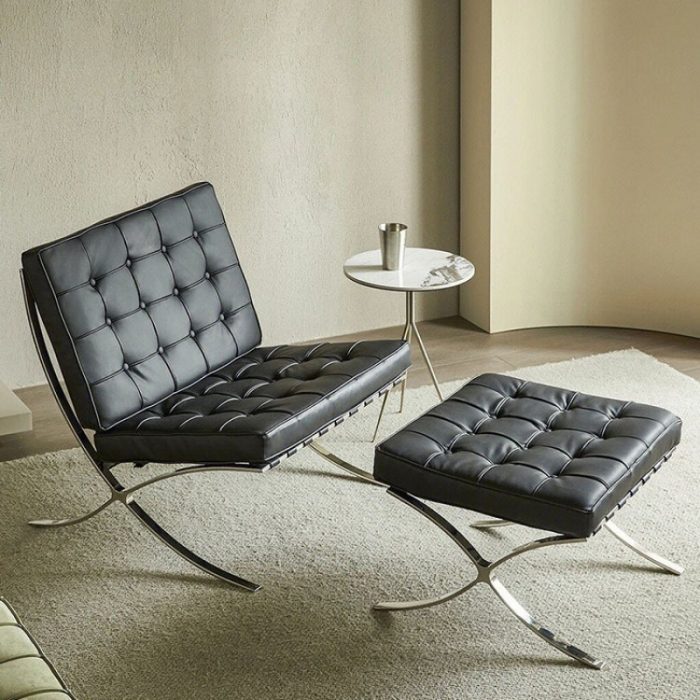
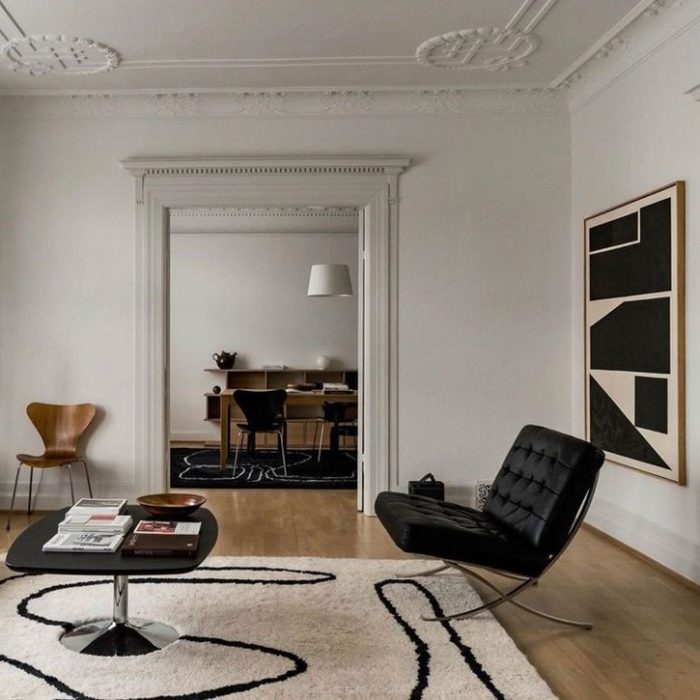
LUDWIG Barcelona Chair
Living Room Accent Chair Designed in 1929 by Ludwig Mies van der Rohe for the German Pavilion at the Barcelona International Exposition, the Barcelona…
£600.00 Add to cart -
Sale!
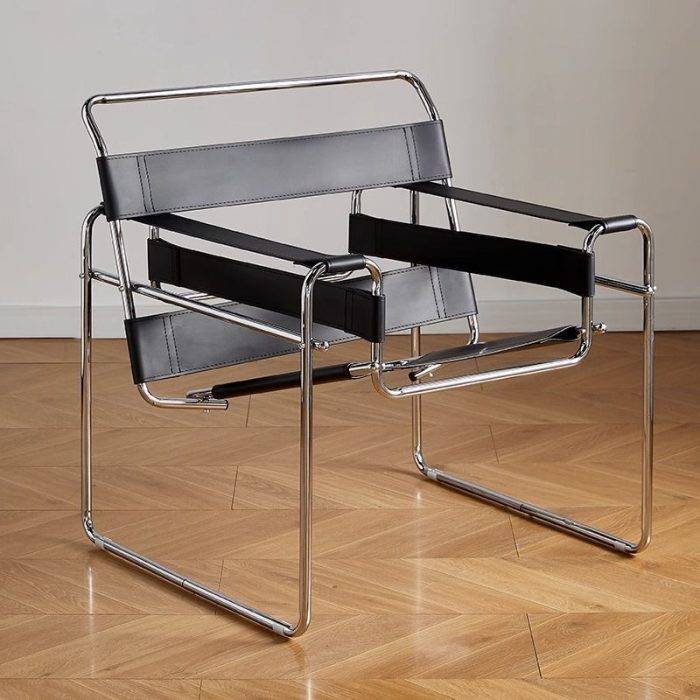
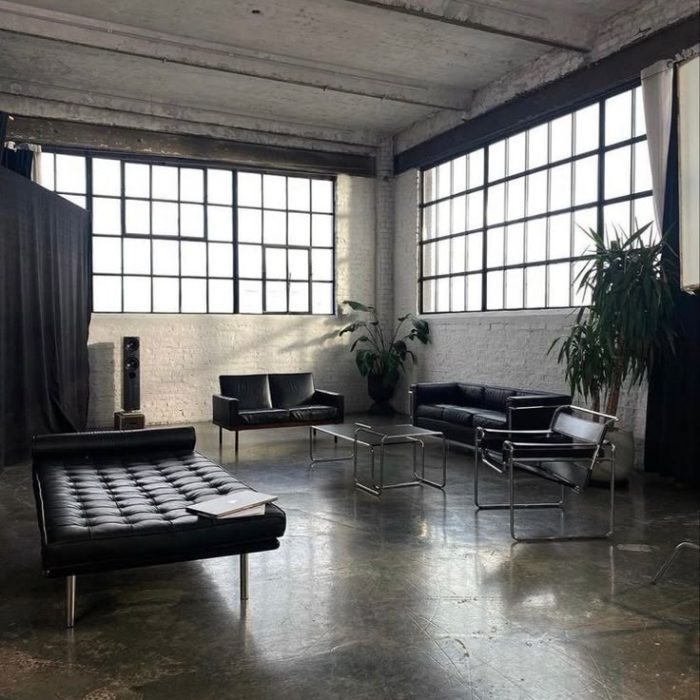
Marcel Breuer’s Wassily Lounge Chair
Bauhaus Accent Chair The Wassily Lounge Chair is a quintessential piece of Bauhaus furniture, birthed by the interior design titan Marcel Breuer in 1925. This…
Original price was: £325.00.£275.00Current price is: £275.00. Select options This product has multiple variants. The options may be chosen on the product page
What is an accent chair?
An accent chair is a standalone, single-seat chair chosen as much for visual impact as for extra seating. It’s used to introduce contrast, shape, colour, texture, or silhouette, so the room feels layered rather than “matched.” Accent chairs often sit slightly outside the main upholstery story (sofa, sectional, main armchairs) and act as a focal point, a balancing element, or a way to echo smaller details already in the space (timber tone, metal finish, cushion colour, artwork).
Are accent chairs comfortable?
They can be. Comfort depends on proportion and support, not the label “accent.” Key drivers are seat depth, seat height, back support, and cushion structure. Deeper seats suit lounging; shallower seats suit upright sitting and easier standing. A supportive back (often higher or firmer) and a resilient seat cushion reduce fatigue during longer sits. Upholstery choice also matters: tighter weaves and leathers tend to feel firmer; plush bouclé/velvet reads softer but needs good cushioning underneath to stay supportive.
Do accent chairs have to match the sofa?
No. Matching can look flat and overly “set-like.” A better aim is cohesion: one or two shared elements with controlled contrast elsewhere. Keep one anchor consistent, either the era (mid-century lines, modern curves), the undertone (warm vs cool neutrals), or a material note (oak, walnut, black metal). Then vary something deliberate: colour, texture, or shape. Example: a neutral sofa with a sculptural chair in a textured fabric; or a modern sofa with a chair that repeats the sofa’s leg finish but shifts the upholstery colour. The room reads intentional without being uniform.